Do you know that feeling? That one or two weeks before your period you turn into a completely different person? That you're not just a little 'irritable', but your world literally collapses, you doubt your relationship, and you feel like a bad mother? For women with PMDD, this is the monthly reality. Like Kayleigh, who shares her story with us, you don't have to bear this alone. In this blog, we delve deep into what PMDD is, its impact on your family, the link with ADHD/autism, and how to finally get the right help.
What exactly is PMDD?
PMDD stands for Premenstrual Dysphoric Disorder. It is often confused with 'regular' PMS, but it is not the same. While PMS is annoying, PMDD is debilitating. It is a severe hormonal disorder in which your brain reacts extremely sensitively to the normal fluctuations of hormones (such as estrogen and progesterone) in the second half of your cycle.
Symptoms: more than just 'moody'
PMDD symptoms usually start 7 to 14 days before your period and disappear almost immediately once you start menstruating. The main characteristics are:
•Emotional rollercoaster: extreme sadness, sudden crying spells, feelings of hopelessness, or even suicidal thoughts.
•Anger and irritation: you can explode at your partner or children over the slightest thing.
•Anxiety and tension: a constant feeling of being 'on edge' or panic attacks.
•Physical complaints: extreme fatigue, painful breasts, joint pain, and sleep problems.
The impact on your life as a mother and partner
PMDD not only affects you but your entire environment. It is also called a 'family disease'.
As a mother
The guilt feelings among mothers with PMDD are often enormous. You want to be there for your children, but during the 'hell week' you have the patience of a matchstick. You can tolerate fewer stimuli, making the noise and hustle of children feel unbearable. This can lead to a cycle of snapping at your children, followed by deep regret and tears when they are in bed.
On your relationship and your partner
For partners, PMDD is often confusing and difficult. The woman they fell in love with seems unreachable or hostile two weeks a month. Many women with PMDD obsessively doubt their relationship during their luteal phase: "Do I still love him?" or "We need to break up". It is a huge challenge for a partner not to take everything personally and to remain calm while their loved one's world collapses.
PMDD and neurodivergence: the link with ADHD and autism
This is a crucial point that is often overlooked. There is a strong scientific link between PMDD and neurodivergence. Research shows that:
•Up to 92% of autistic women and 46% of women with ADHD suffer from PMDD.
•Women with ADHD often notice that their medication (such as Ritalin or Concerta) hardly seems to work in the week before their period. This is because declining estrogen levels affect dopamine production, which exacerbates ADHD symptoms.
So, if you already know you have ADHD or autism, it is statistically much more likely that your 'PMS' is actually PMDD.
How do you get a diagnosis?
It's a myth that you can 'just do a blood test'. Your hormone levels are usually normal with PMDD; it's about your brain's reaction to those hormones.
Which doctor?
The diagnosis is usually made by a gynecologist or a psychiatrist specializing in hormonal mood swings. In the Netherlands, the diagnosis is based on DSM-5 criteria.
Preparation (essential!)
Doctors often only take you seriously if you provide evidence.
1.Keep a diary: use an app (like Me v PMDD) or a paper calendar and track your symptoms for at least two full cycles. Note when you have your period and when symptoms start.
2.Make a list: write down how it affects your work, family, and social life.
3.Be clear: don't say "I suffer from PMS," but say "My symptoms make my life impossible, and I suspect PMDD."
Is there medication?
Yes, there are various treatment options, but it is often a quest to find what works for you:
Treatment |
How does it work? |
SSRIs (antidepressants) |
Are often taken only during the second half of the cycle to stabilize mood. |
Contraception |
The pill can 'flatten' hormonal fluctuations, but in some women, it actually worsens symptoms. |
Lifestyle & Supplements |
Magnesium, vitamin B6, and calcium can help, as can cutting out caffeine and alcohol. |
Conclusion: You're not crazy
PMDD is not a character flaw. It's a medical condition. Like Kayleigh and many others, you don't have to bear this alone. By talking about it, preparing for your doctor's visit, and understanding the link with neurodivergence, you take the first step towards relief.
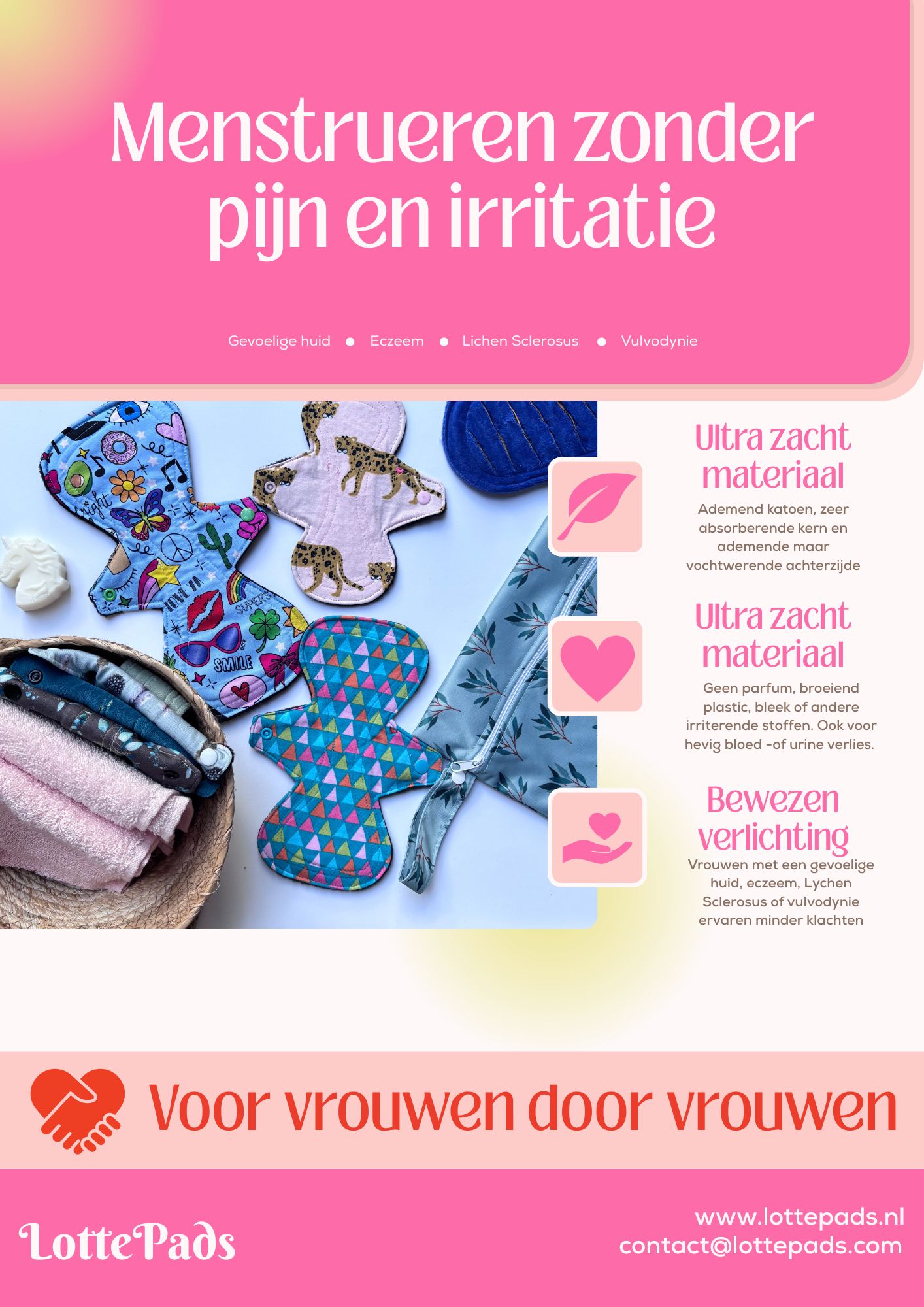
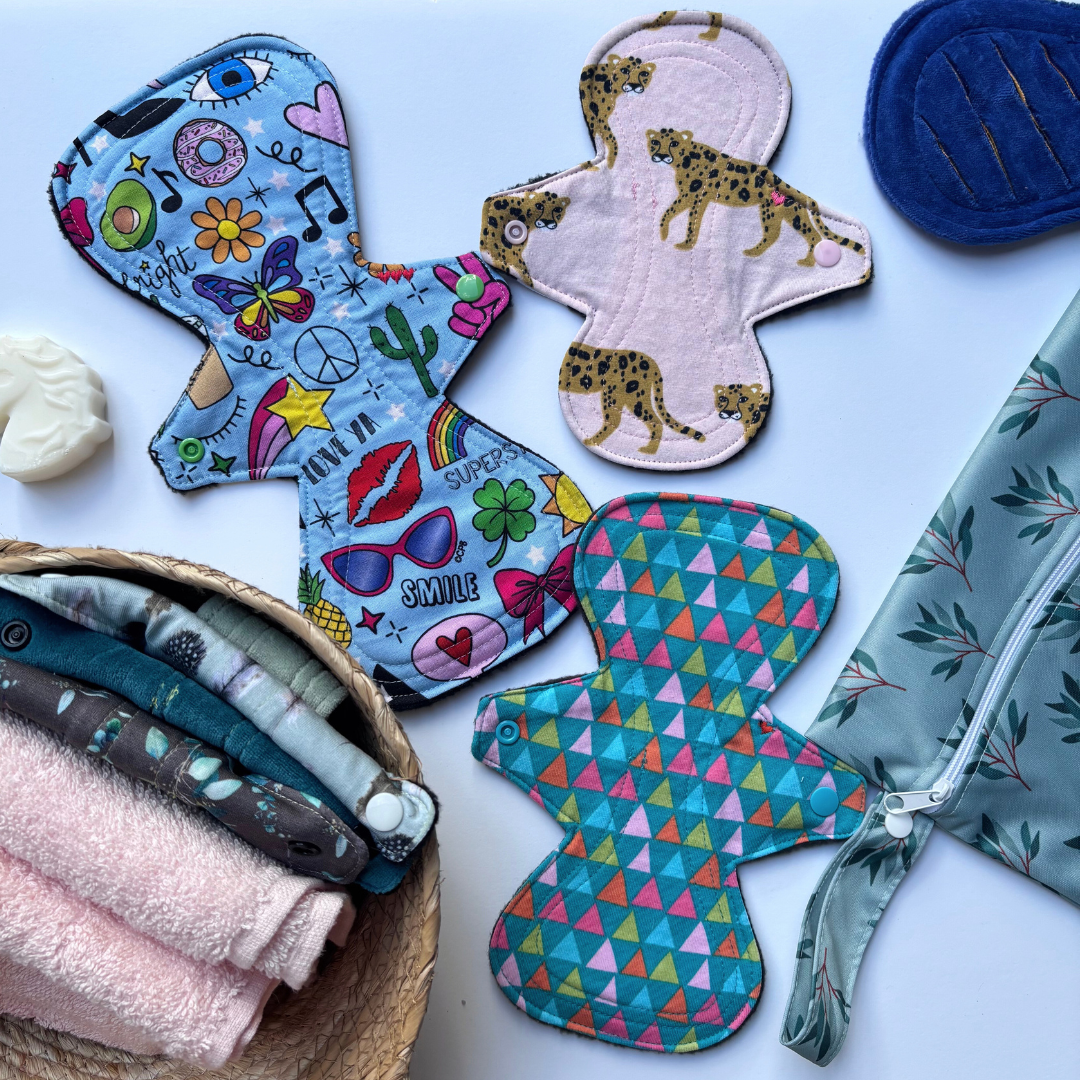
The soft, skin-friendly materials of LottePads can alleviate physical discomfort during your cycle — but for the mental struggle, you need the right medical support. Be kind to yourself, especially during those difficult weeks. View our washable pads and discover what comfort can do.
Do you recognize yourself in this story? Share your experiences in the comments or read our other blogs about women's health.