Lichen Sclerosus (LS) is a chronic skin condition that primarily affects the skin of the genitals and anus. Although it can occur at any age, it most commonly affects postmenopausal women. The condition causes itching, pain, and white, thin patches of skin. In this article, we discuss everything you need to know about Lichen Sclerosus, from symptoms and diagnosis to treatment and living with the condition.
What is Lichen Sclerosus?
Lichen Sclerosus is an autoimmune disease, meaning the body's immune system attacks healthy cells. In LS, the immune system attacks the skin, leading to inflammation and changes in the skin tissue. The exact cause of LS is unknown, but genetic and hormonal factors are believed to play a role.
Symptoms of Lichen Sclerosus
The symptoms of Lichen Sclerosus can range from mild to severe and include:
•Itching: This is the most common symptom and can be very intense.
•Pain: Pain, a burning sensation, and discomfort, especially during urination or intercourse.
•Skin changes: The skin can become white, shiny, and thin. Bruising, tears, and sores may also occur.
•Anatomical changes: In advanced cases, the labia may shrink, and the vaginal opening may narrow.
"My vulva burns when I cycle or wear tight pants. When I sit on chairs that don't indent, it also feels uncomfortable and burns a lot," shares Amy, who tells her story on LottePads.
Diagnosis and Treatment
The diagnosis is usually made based on a physical examination. Sometimes a skin biopsy is needed to confirm the diagnosis. The treatment of Lichen Sclerosus aims to alleviate symptoms and prevent further skin damage. The most commonly prescribed treatment is a strong corticosteroid ointment.
Natural Treatment and Lifestyle Advice
In addition to medical treatment, there are also lifestyle recommendations that can help alleviate symptoms:
•Good hygiene: Wash the genital area with water only and avoid soap and other irritating products.
•Emollient ointment: Regularly use an emollient ointment to keep the skin supple.
•Comfortable clothing: Wear loose-fitting, cotton underwear and avoid tight clothing.
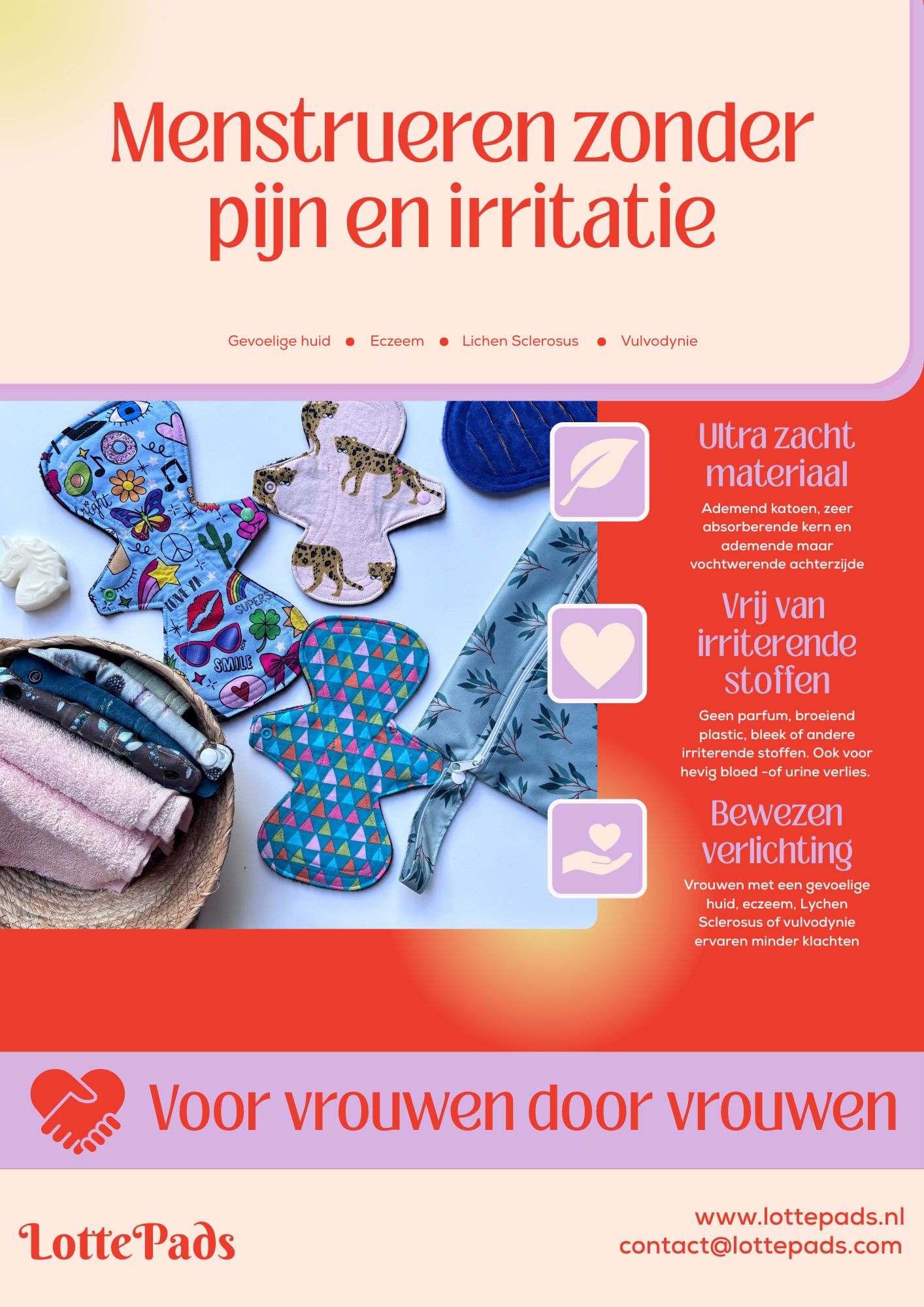
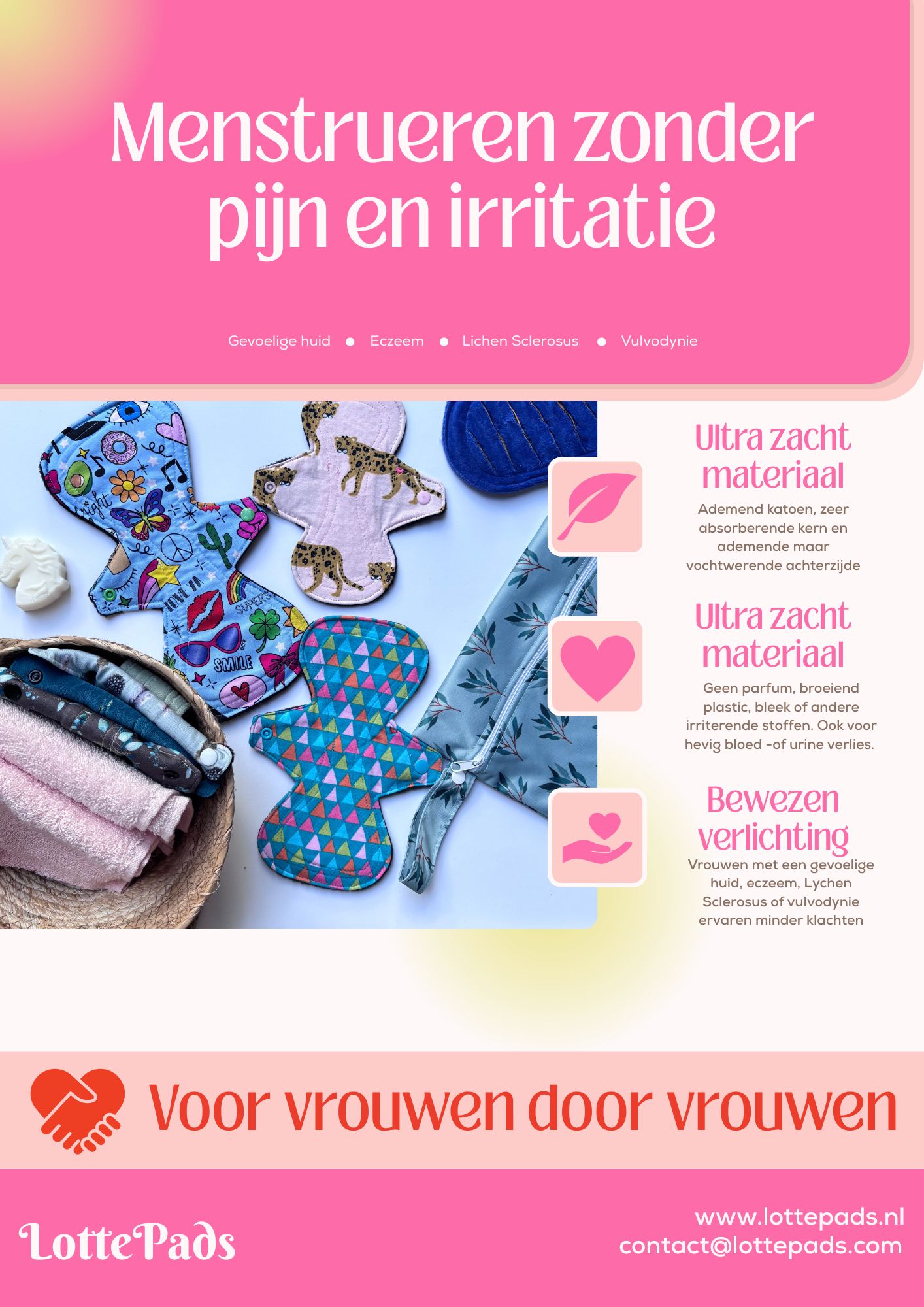
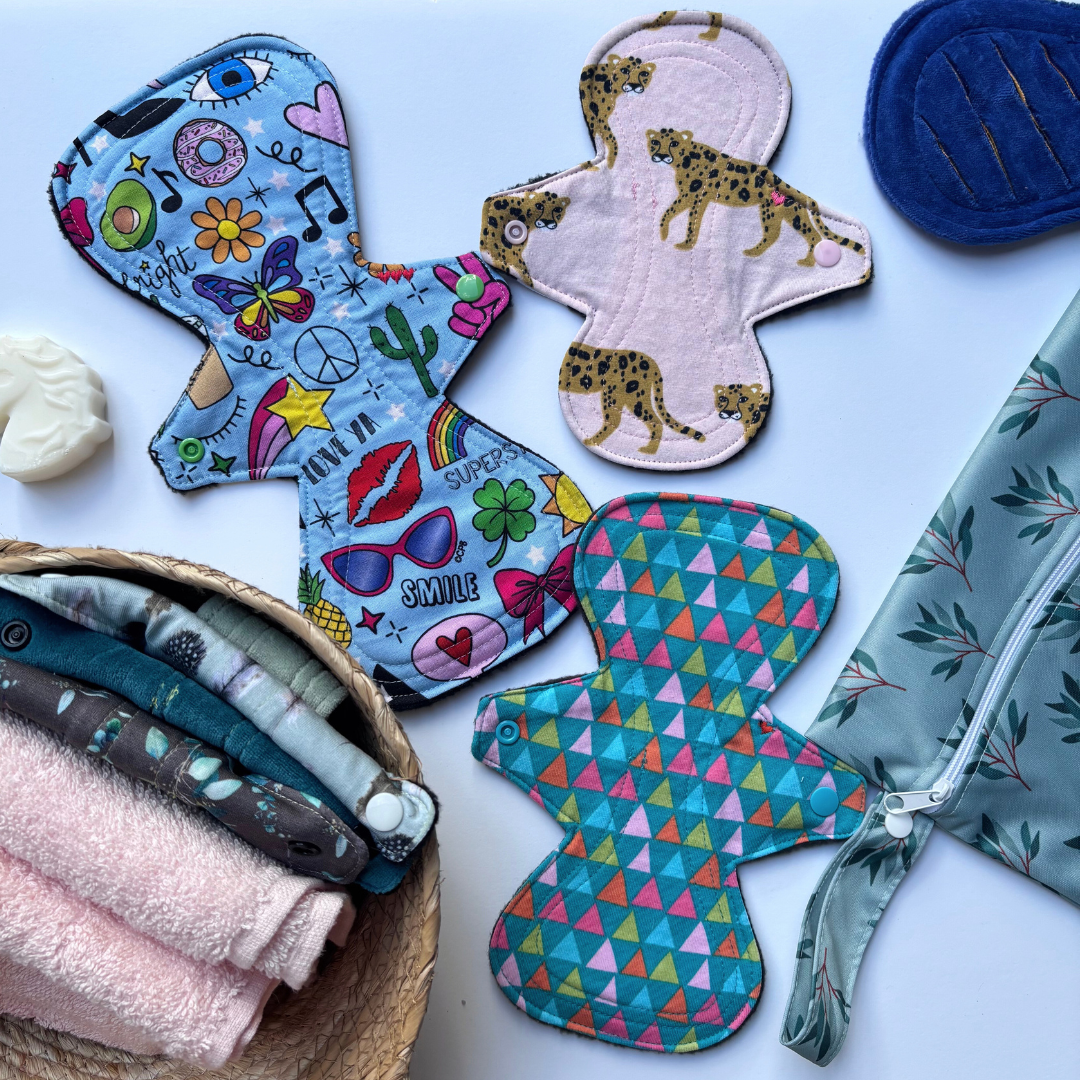
•Washable sanitary pads: Women with LS often find washable sanitary pads softer and more comfortable than disposable products.
Living with Lichen Sclerosus
Living with a chronic condition like Lichen Sclerosus can be challenging, both physically and emotionally. It is important to be open about your symptoms and seek support from your doctor, partner, and fellow sufferers. There are various online communities and forums where you can share experiences and ask questions.
Conclusion
Lichen Sclerosus is a challenging condition, but with the right treatment and lifestyle adjustments, the symptoms can be kept under control. It is important to consult a doctor in time for a correct diagnosis and treatment. By being open about the condition and sharing experiences, we can break the taboo and support each other.