Want to switch to washable sanitary pads but don't know how many to buy? The amount depends on your cycle, flow, and lifestyle. For an average 5-day cycle, you'll need about 5 pads. Read on for personalized advice.
Determining the right number of reusable sanitary pads can seem a bit overwhelming at first, especially if you're just switching from disposable pads to sustainable, reusable ones. The amount you need depends on several factors, such as the length of your menstrual cycle, the heaviness of your flow, and your personal preferences regarding comfort and hygiene. A good rule of thumb is to start with a basic set and expand as needed. New to reusable sanitary pads? Then first read our guide on how to use reusable pads .
If you change your sanitary pads every 4 to 6 hours—which we recommend for optimal hygiene and comfort—you'll need about 4 to 5 pads per day: 3 to 4 for the day and 1 for the night. On average, most women menstruate between three and five days. For a five-day cycle, you'll need about 20 to 25 reusable sanitary pads. If you change more often, for example, every 3 hours, you'll need more pads. The most important thing is to change your pads as often as you like, but at least every 4 to 6 hours for a fresh and hygienic feeling.
During your period, store your used pads in a wet bag or bucket without a lid, and wash them all after your period. Your lifestyle also plays a major role in determining how many reusable sanitary pads you need. If you have a busy schedule and are on the go, it's helpful to have enough pads for your entire cycle. If you work from home, you might be able to use fewer pads if you want to wash them in between. It's important to experiment and find what works best for you.
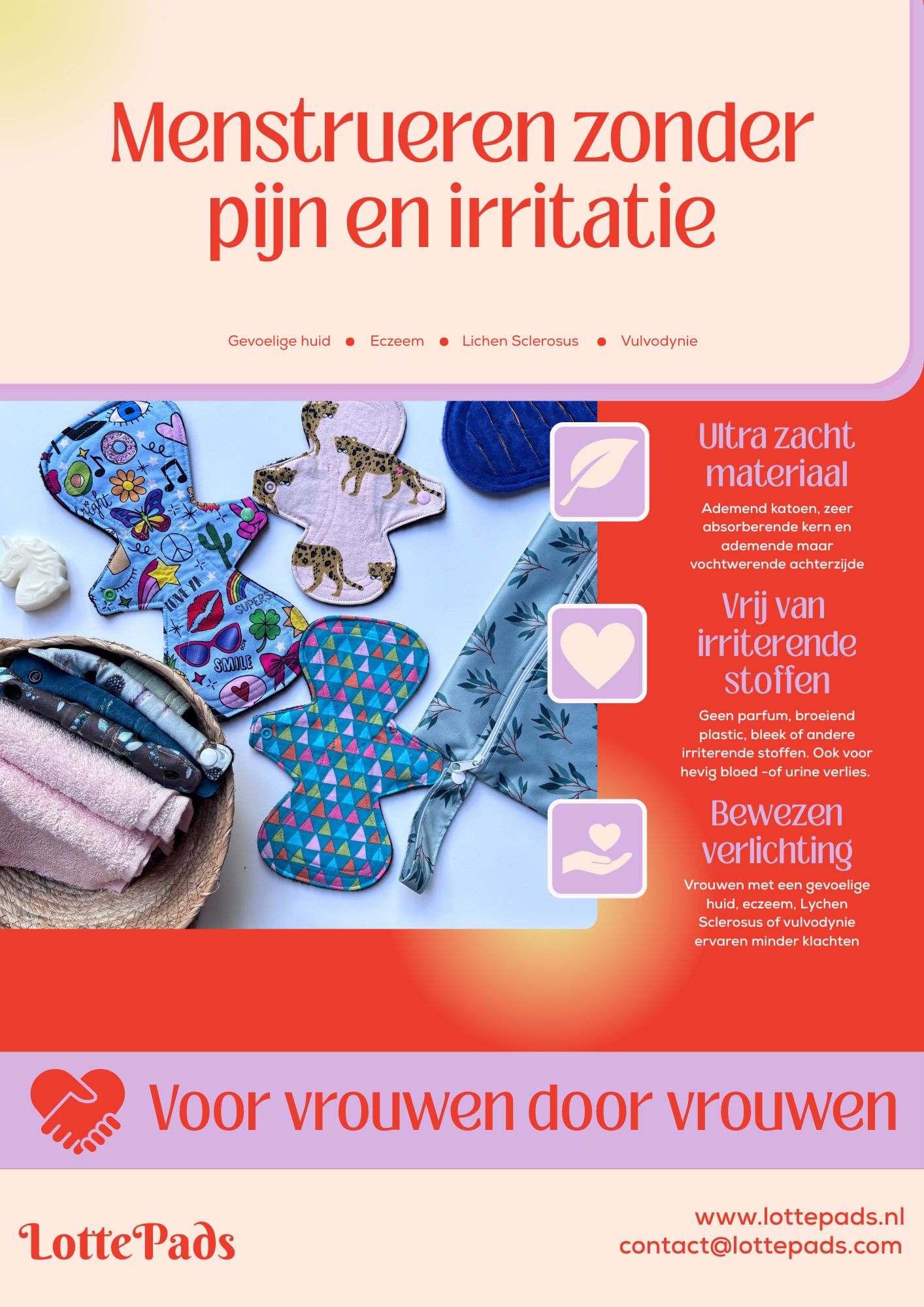
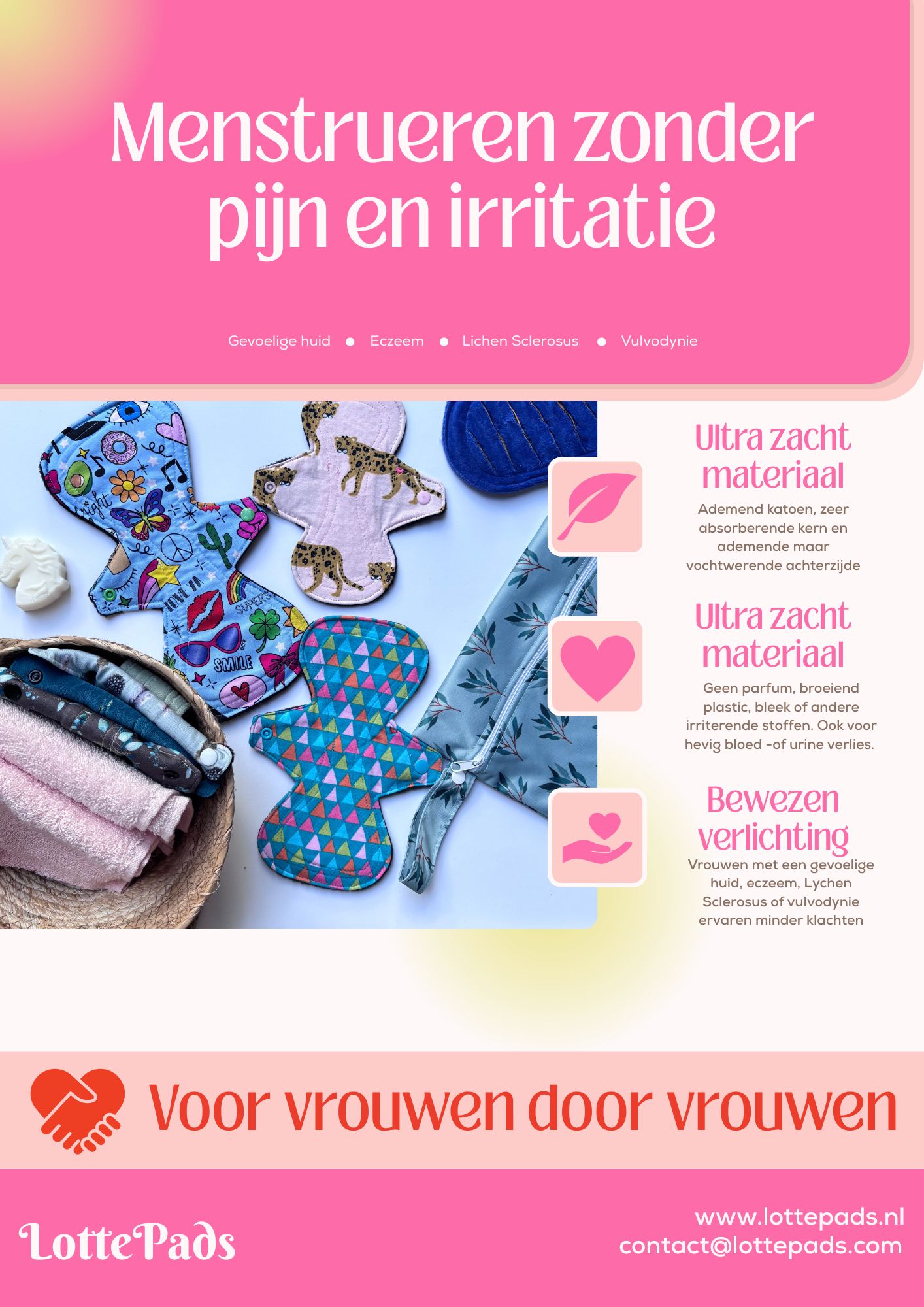
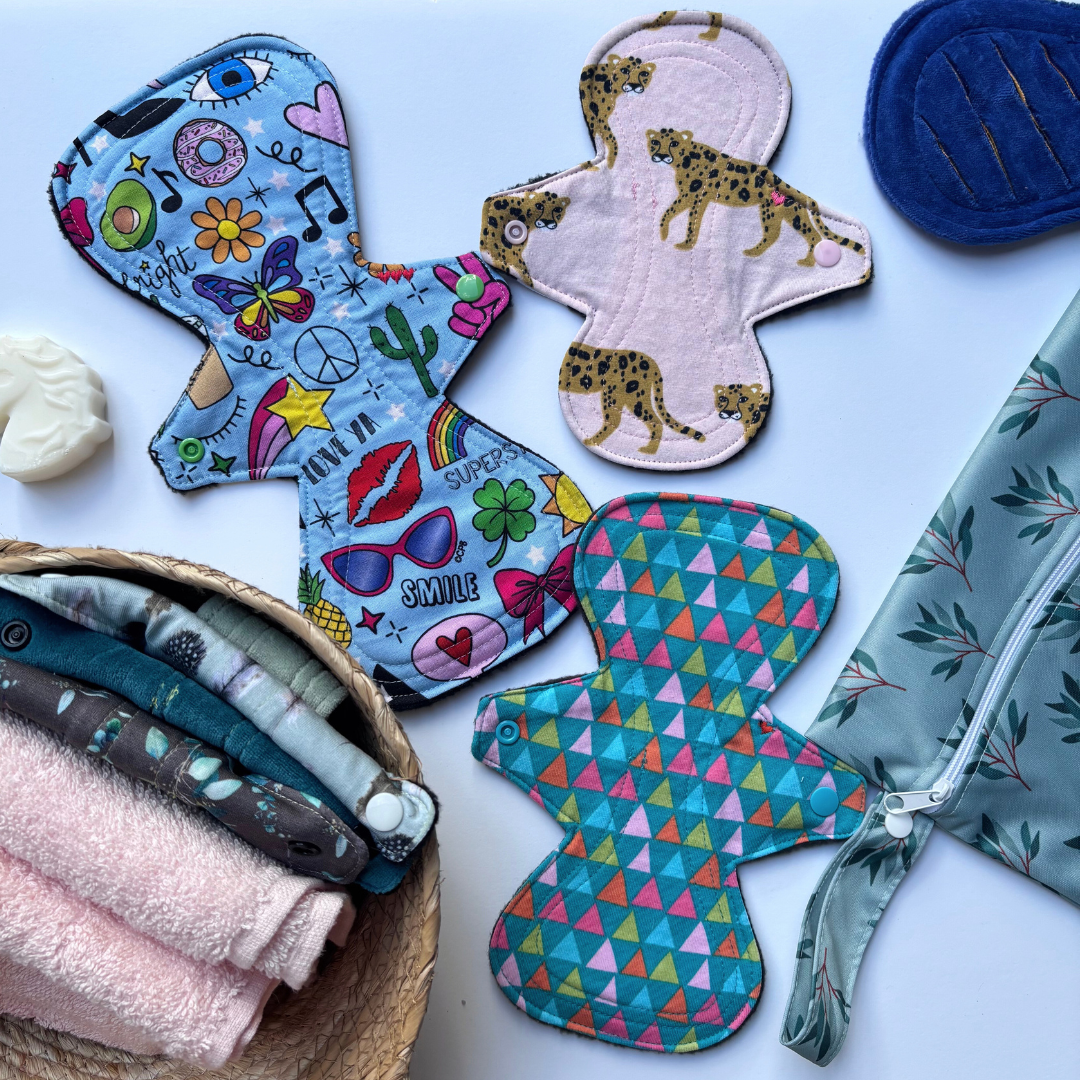
Reusable sanitary pads come in various shapes and sizes, each designed to meet different needs. Generally, there are three main types: thin liners, regular pads, and night or heavy pads. Thin liners are ideal for light days or as a backup for a menstrual cup or tampon. They are thin and discreet, making them comfortable for everyday use.
Regular washable sanitary pads are suitable for average menstrual periods. They offer sufficient absorbency to keep you dry and comfortable without needing to change them too often. These pads come in a variety of sizes and styles, so you can choose the one that best suits your body and preferences. Some brands even offer versions with wings for extra protection against leaks.
For heavier days or for overnight use, there are special night or heavy-duty sanitary pads. These are longer and thicker than regular pads and offer extra absorbency. They're designed to prevent leaks, even if you sleep late or have a busy day. This type of pad is perfect for women with heavy periods or those who want extra peace of mind while they sleep. Want to know more about which size is right for you? Then read our complete guide for every flow .
Choosing the right size and style of reusable sanitary pads is crucial for comfort and effectiveness. Start by assessing your own menstrual flow. If you have a light flow, you'll likely be fine with thinner liners and regular pads. However, if you have a heavy flow, you'll want to opt for thicker, more absorbent options like night pads or heavy-duty pads.
Besides absorbency, it's also important to consider the shape and length of the pad. Some women prefer longer pads for extra protection, especially while moving or at night. Others find shorter, narrower pads more comfortable and less noticeable under clothing. Try different shapes and lengths to see what works best for you.
Finally, consider the materials the pads are made of. Reusable pads are available in a variety of fabrics, such as cotton, bamboo, and microfiber. Cotton is breathable and soft, bamboo is naturally antibacterial and super absorbent, while microfiber dries quickly and is lightweight. Choose a material that feels comfortable against your skin and suits your personal preferences.
Caring for washable sanitary pads is easier than you might think. After use, you can pre-rinse the pads in cold water to remove most of the blood, but this isn't necessary. Store used pads during your period in a wet bag or bucket without a lid. This provides adequate ventilation and prevents odors and bacterial growth. Want to know more about hygiene and washable sanitary pads ?
After your period, wash all sanitary pads in the washing machine on a low temperature with a mild detergent. Avoid using bleach or fabric softeners, as these can reduce the absorbency of the fabric. Want to know which detergent works best? Then read our article on the best detergent for washable sanitary pads . If you're hand-washing the pads, use warm water and mild soap. Rinse thoroughly to ensure all soap residue is removed.
Air-dry your sanitary pads, preferably in the sun, as sunlight helps kill bacteria and remove stains. Do you have stubborn stains? Discover our effective tips for removing blood stains . Using a dryer can shorten the life of your sanitary pads, especially if they're repeatedly dried at high temperatures. With proper care and maintenance, washable sanitary pads can last for years, making them both economical and environmentally friendly.
One of the biggest advantages of reusable sanitary pads is their positive environmental impact. Disposable pads and tampons contribute significantly to the growing mountain of waste. On average, a woman uses tens of thousands of disposable pads and tampons during her lifetime, which adds up to a huge amount of waste that sits in landfills for years. By switching to reusable sanitary pads, you can significantly reduce your waste footprint. Read more about all the benefits of reusable sanitary pads .
Reusable sanitary pads are also more sustainable because they can be reused. Unlike disposable options, which are thrown away after a single use, reusable options can be washed and reused multiple times. This means you'll need to buy fewer pads in the long run, which is both cost-effective and environmentally friendly. Furthermore, many reusable pads are made from natural, biodegradable materials, which is an added benefit for the environment.
Finally, by choosing washable sanitary pads, you often support small, ethical businesses committed to sustainability and fair working conditions. Many brands produce their products in an environmentally friendly way and ensure their employees are treated and paid fairly. By consciously choosing these products, you contribute to a more sustainable and just world.
Choosing the right number of reusable menstrual pads depends on several personal factors, such as the length and heaviness of your period, your lifestyle, and your preferences regarding comfort and hygiene. Expect to use about 4 to 5 pads per day if you change your period every 4 to 6 hours (which is our recommendation), which equates to 20-25 for a 5-day cycle. If you change more often, you'll need more pads. The most important thing is to change your period as often as you like.
Start with a basic set and expand as you gain experience. When choosing reusable sanitary pads, consider absorbency, shape, and material. Make sure you care for your pads properly by washing and drying them correctly to ensure they last for years. By switching to reusable pads, you contribute to a more sustainable world by reducing your waste footprint and choosing products that are ethically and environmentally friendly.
If you're still unsure, try different brands and styles until you find the perfect fit. Want to try out which type works best for you first? Find the trial pack that best suits your flow . The most important thing is that you feel comfortable and confident during your period, and reusable pads can make a big difference.