Want to know everything about menstruation? From how your cycle works to practical tips for menstrual problems, this complete guide has all the facts and answers to your questions about menstruation.
Menstruation, often referred to as "period," is a monthly process in which the uterine lining breaks down and is shed from the body. This lining builds up to receive a potential fertilized egg. If fertilization doesn't occur, the lining is shed, resulting in menstruation. This process begins at puberty and continues until menopause.
The menstrual process is regulated by a complex interplay of hormones, including estrogen and progesterone. These hormones cause the uterine lining to build and then break down. Hormone levels fluctuate throughout the cycle, which can affect your mood, energy levels, and physical well-being. Understanding these hormonal changes can help you better manage the different phases of the menstrual cycle.
Besides hormonal changes, it's also important to know that the menstrual cycle is an important sign of health. Regular menstrual cycles can indicate a well-functioning reproductive system. However, irregularities can point to underlying health problems that require further investigation. Therefore, it's crucial to be familiar with your own cycle and be alert to changes.
The menstrual cycle consists of four main phases: the menstrual phase, the follicular phase, the ovulatory phase, and the luteal phase. Cycle length can vary, but on average, a cycle lasts 28 days. However, it's normal for cycles to range from 21 to 35 days.
The menstrual phase is the first phase of the cycle and begins on the first day of menstruation. This phase usually lasts 3 to 7 days, during which the uterine lining is shed and expelled from the body through the vagina. This is accompanied by bleeding and may cause cramps and discomfort.
After the menstrual phase, the follicular phase begins, which lasts approximately 11 to 16 days. During this phase, the body begins preparing for a possible pregnancy. Under the influence of follicle-stimulating hormone (FSH), the ovaries begin to develop follicles, one of which will mature into an egg. At the same time, the uterine lining is rebuilt.
The ovulatory phase is the third phase of the cycle and occurs around day 14. During this phase, the mature egg is released from the ovary and travels through the fallopian tube to the uterus. This is the time when a woman is most fertile. The luteal phase follows ovulation and lasts about 14 days. During this phase, the corpus luteum produces progesterone to support the uterine lining for a possible pregnancy. If fertilization does not occur, progesterone production decreases, and the cycle begins again with the menstrual phase. Want to know more about menstruation and bleeding ?
There are a variety of menstrual products available to meet every woman's needs. The most common disposable products are tampons and pads. These products are easy to use and dispose of, but they can also have drawbacks, such as causing irritation or allergic reactions due to the presence of plastic and chemicals.
Tampons are small, cylindrical devices inserted into the vagina to collect menstrual blood. They come in various sizes and absorbencies, depending on the heaviness of your flow. It's important to change tampons regularly (every 4-8 hours) to reduce the risk of toxic shock syndrome (TSS), a rare but serious bacterial infection.
Disposable sanitary pads are attached to the inside of underwear to absorb menstrual blood. They are available in various thicknesses and absorbencies, from lightweight panty liners to super-absorbent night pads. The downside is that disposable sanitary pads often contain plastic, which can cause irritation and reduce breathability.
Washable sanitary pads: the sustainable and skin-friendly choice
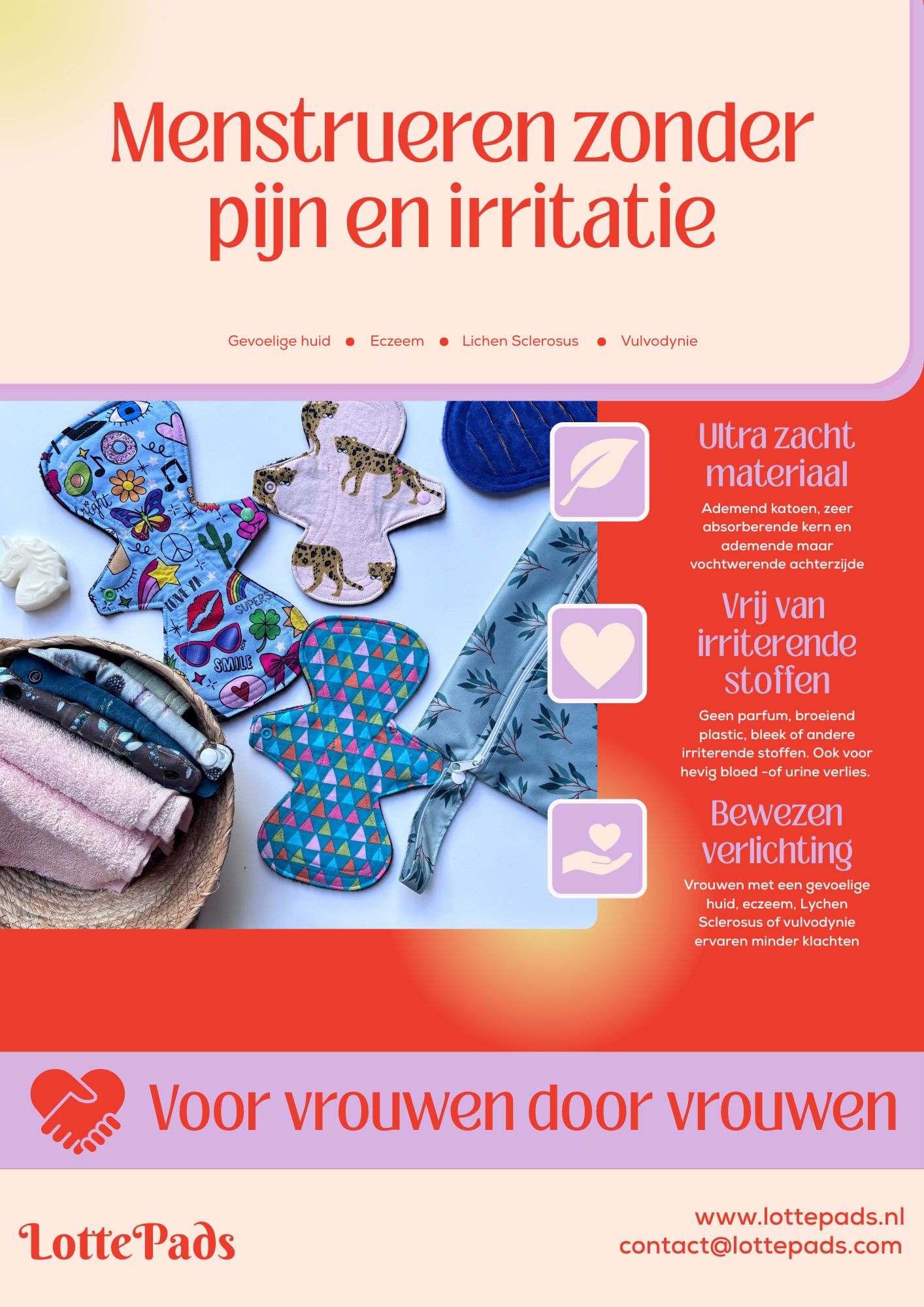
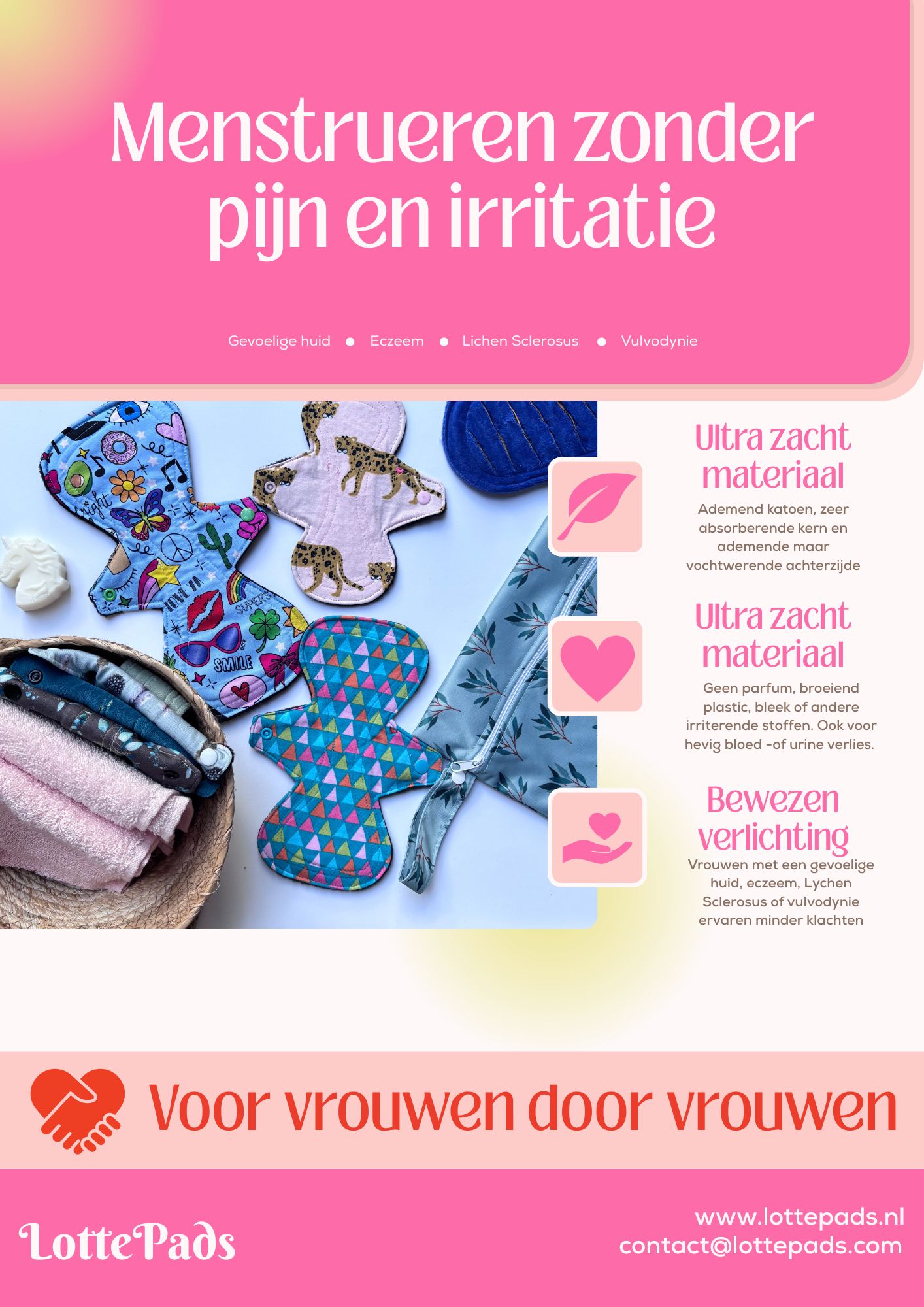
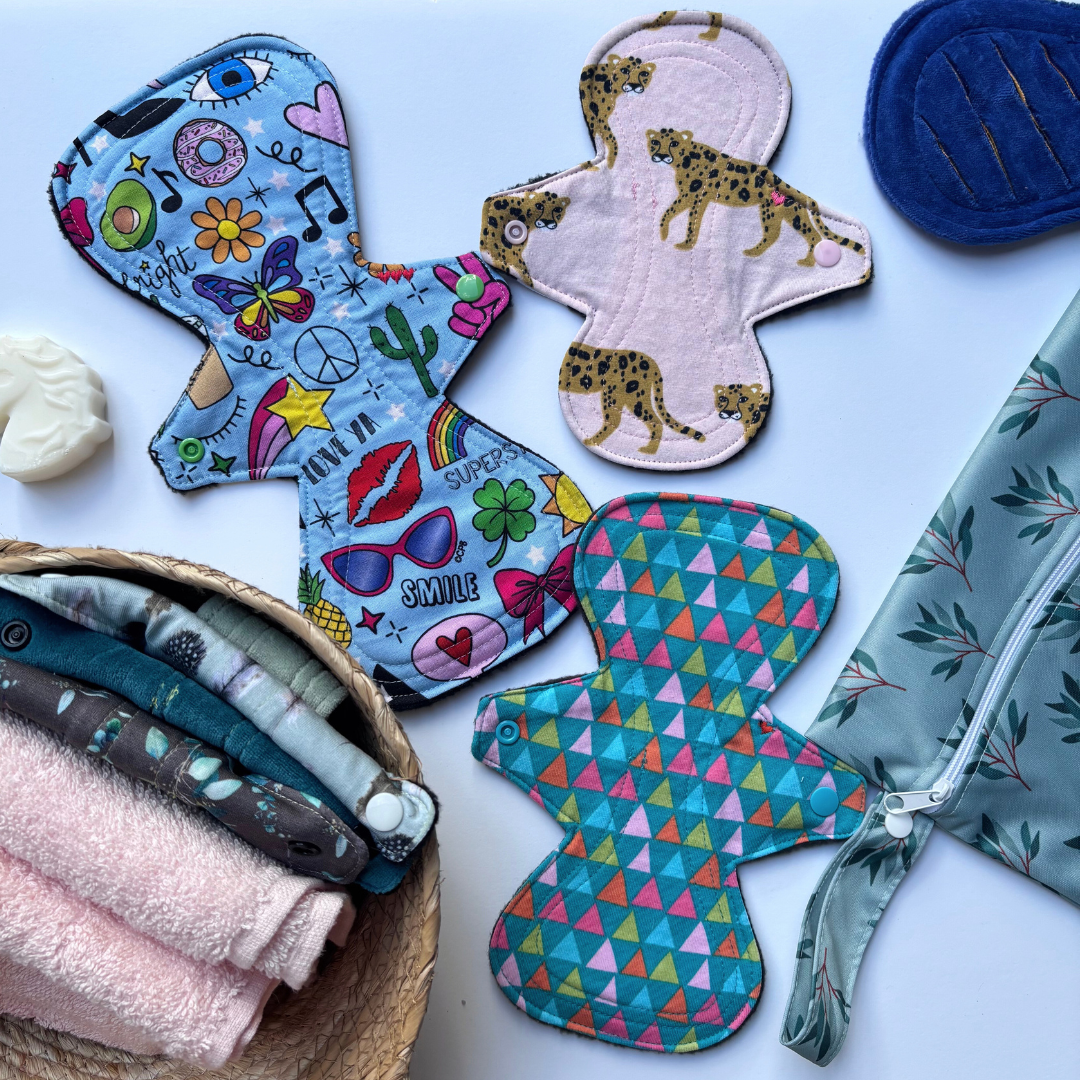
More and more women are choosing reusable sanitary pads because of their many advantages. Reusable sanitary pads are made of natural, breathable materials like cotton or bamboo, without plastic or harmful chemicals. This makes them particularly suitable for women with sensitive skin or those prone to irritation. New to reusable sanitary pads? Then read our guide on how to use reusable sanitary pads .
The benefits of washable sanitary pads are numerous:
- Better for your skin: Natural materials allow your skin to breathe and reduce the risk of irritation.
- Durable: Can be reused for years, which is good for the environment.
- Cost-saving: Although the initial investment is higher, you will save a lot of money in the long run.
- Comfortable: Soft materials that do not chafe or irritate
- Easy maintenance: Store used pads in a wet bag and wash them after your cycle
Reusable sanitary pads are available in various sizes and absorbency levels, from thin liners for light days to thick night pads for heavy days. Want to know how many reusable sanitary pads you need ? Or which size suits your flow ? We're happy to help!
Other reusable options
Besides washable sanitary pads, there are also menstrual cups – silicone or rubber cups that are inserted into the vagina to collect the blood. They can be worn for up to 12 hours and are then emptied, cleaned, and reused. Cups do require some practice to use correctly and are not suitable for everyone.
Want to learn more about the differences? Read our comparison: Washable sanitary pads, menstrual cups, or period underwear?
Menstrual symptoms are a common problem and can range from mild discomfort to severe pain. The most common symptoms are menstrual cramps, headaches, fatigue, and mood swings. These symptoms are often caused by the hormonal changes that occur during the cycle.
Menstrual cramps, also called dysmenorrhea, are often caused by contractions of the uterus as it sheds its lining. These contractions are caused by prostaglandins, substances released during menstruation. High prostaglandin levels can lead to severe cramps and pain. Taking painkillers like ibuprofen can help reduce prostaglandin production and relieve the pain.
Besides painkillers, there are other ways to reduce menstrual symptoms. Applying heat, such as a hot water bottle or a warm bath, can help relax the muscles and relieve pain. Regular exercise can also be helpful, as it improves blood circulation and releases endorphins, which are natural painkillers. It's also important to reduce stress, as it can worsen symptoms.
Diet also plays an important role in managing menstrual symptoms. Avoiding caffeine, alcohol, and salt can help reduce bloating and fluid retention. Consuming foods rich in magnesium, such as nuts, seeds, and green leafy vegetables, can help reduce cramps. Additionally, taking supplements such as omega-3 fatty acids and vitamin B6 can be helpful in relieving symptoms.
Tip: Some women experience less irritation and discomfort by switching to washable sanitary pads, as they don't contain plastic or chemicals that can irritate the skin. Read more about the hygiene of washable sanitary pads .
A regular menstrual cycle is an important sign of health and can provide insight into a woman's overall health. Changes in the cycle, such as irregular periods, heavy bleeding, or missed periods, can indicate underlying health problems that require further investigation.
One of the most common causes of irregular periods is hormonal imbalance. This can be due to various factors, such as stress, weight changes, intense exercise, or underlying medical conditions like polycystic ovary syndrome (PCOS) or thyroid disorders. It's important to consult a doctor if you notice any changes in your menstrual cycle so the underlying cause can be identified and treated.
Besides hormonal imbalances, other factors can also influence the menstrual cycle. For example, certain medications, such as birth control pills or antidepressants, can affect the cycle. Chronic conditions, such as diabetes or lupus, can also play a role. It's important to have a complete medical history and discuss any changes with your doctor.
Tracking your menstrual cycle is also essential for better understanding your own health. Several apps are available that can help you track your cycle and recognize patterns. Tracking your cycle can also be useful for planning pregnancies or identifying fertile days.
Nutrition plays a crucial role in how you feel during your menstrual cycle. Certain foods can help alleviate symptoms like cramps, fatigue, and mood swings. It's important to maintain a balanced, nutrient-rich diet to support your body during this time.
One of the most important nutrients to watch out for during your period is iron. During menstruation, you lose blood, which can lead to iron deficiency and fatigue. Therefore, it's important to consume iron-rich foods, such as red meat, spinach, lentils, and nuts. Combining iron-rich foods with vitamin C-rich foods, such as citrus fruits, can improve iron absorption.
Magnesium is another essential mineral that can help reduce menstrual cramps. It helps relax muscles and can therefore relieve cramps. Foods rich in magnesium include nuts, seeds, green leafy vegetables, and dark chocolate. Taking a magnesium supplement can also be helpful, but it's always best to consult your doctor first.
Additionally, it can be helpful to avoid foods that can worsen your symptoms. Avoiding caffeine can help reduce breast pain and irritability, while reducing sugar and salt can help prevent bloating and fluid retention. It's also important to stay hydrated by drinking enough water, as dehydration can worsen symptoms.
There are many myths and misconceptions about menstruation that can lead to confusion and misinformation. It's important to debunk these myths and know the facts to gain a better understanding of your body and menstrual cycle.
A common myth is that menstrual blood is dirty or impure. This is absolutely untrue. Menstrual blood is just like other blood in your body and is a natural part of the reproductive system. The idea that menstrual blood is dirty stems from cultural taboos and misunderstandings that have existed for centuries.
Another myth is that women shouldn't do physical activity during their period. While some women may feel less energetic during their period, there's no reason to completely avoid physical activity. In fact, moderate exercise can help relieve menstrual cramps and boost your energy levels. Listen to your body and do what feels comfortable for you.
There's also a widespread myth that you can't get pregnant during your period. While the chance of pregnancy during menstruation is lower, it's not impossible. Sperm can survive in the body for up to five days, so fertilization can occur if you have a short cycle and ovulate early. It's important to always use contraception if you want to avoid pregnancy.
Exercising during your period can be challenging, especially if you're experiencing menstrual cramps. However, physical activity can actually help alleviate symptoms and improve your overall well-being. It's important to know which types of exercise are best and how to support your body during this time.
Light to moderate exercise, such as walking, yoga, and Pilates, can help reduce menstrual cramps and improve your mood. These forms of exercise promote blood circulation and help release endorphins, which are natural painkillers. Yoga can be especially helpful because certain poses help relax muscles and reduce stress.
If you're feeling energetic enough, you can also do more intense forms of exercise, such as running, cycling, or strength training. However, it's important to listen to your body and not overexert it. Wearing comfortable, breathable clothing and using washable sanitary pads can help you feel comfortable while exercising. Washable sanitary pads are made of soft, natural materials that don't chafe and stay in place, even during exercise. Want to know more? Read our article about exercising with sanitary pads .
It's also important to stay well-hydrated and get enough nutrients to maintain your energy levels. Eat a balanced meal before and after your workout to provide your body with the necessary fuel and nutrients. Taking breaks and rest days is also essential to prevent overexertion and give your body time to recover.
While every woman's menstrual cycle is unique, certain signs may indicate abnormal periods that require medical attention. It's important to recognize these warning signs and seek timely care to prevent or treat underlying health conditions.
One of the most important warning signs is very heavy or prolonged menstrual bleeding, also called menorrhagia. If you need to change your pads or tampons more often than every two hours, or if your period lasts longer than seven days, this could indicate an underlying problem such as uterine fibroids, polyps, or a hormonal imbalance. It's important to consult a doctor to determine the cause and receive appropriate treatment.
Irregular menstrual cycles, such as skipping periods or having very short or long cycles, can also be a sign of a problem. This can be due to hormonal imbalances, stress, weight changes, or underlying medical conditions such as PCOS or thyroid disorders. Tracking your menstrual cycle and discussing any irregularities with your doctor can help determine the cause and get appropriate treatment.
Other warning signs include severe menstrual pain that interferes with your daily activities, sudden changes in your menstrual cycle, or unusual symptoms such as fever, nausea, or dizziness during your period. These symptoms could indicate infections, endometriosis, or other conditions that require medical attention. It's important not to hesitate to seek help if you experience these symptoms.
Menstruation is a natural and normal part of every woman's life, but there are many misconceptions and taboos surrounding this topic. Understanding your menstrual cycle, its symptoms, and available solutions can help you better manage menstrual discomfort and improve your overall well-being.
Tracking your menstrual cycle and recognizing changes can provide insight into your health and help identify underlying problems early. It's important to be open about menstruation and discuss any concerns or symptoms with your doctor to get the right care and treatment.
Choose what is good for your body
There are various menstrual products available, but more and more women are consciously choosing reusable sanitary pads because of the benefits for their skin and the environment. Reusable sanitary pads are made of natural, breathable materials without plastic or harmful chemicals, making them ideal for women with sensitive skin. They are also sustainable and cost-effective in the long run.
Maintaining a healthy lifestyle, including a balanced diet and regular exercise, can help reduce menstrual symptoms and improve your overall well-being. Listen to your body and choose products that are right for you.
Ready to start using reusable menstrual pads? Find the LottePads® trial pack that best suits your flow and experience the difference of natural, comfortable menstrual products for yourself. By knowing the facts and making the right choices, you can better manage your period and live a healthier, happier life.