What is bacterial vaginosis?
Bacterial vaginosis (BV) is a common vaginal infection caused by an imbalance in the vaginal flora. Normally, the vagina is protected by 'good' bacteria, primarily lactobacilli, which create an acidic environment. In BV, 'bad' bacteria take over, which can lead to uncomfortable symptoms. You can find more information via Thuisarts.nl about bacterial vaginosis.
Causes of bacterial vaginosis
The exact cause of BV is not always clear, but several factors can increase the risk:
- Changes in vaginal pH: a disturbed acidity can promote the growth of harmful bacteria
- Excessive washing: douching or using perfumed products can disrupt the natural balance
- New or multiple sex partners: although BV is not an STD, sexual contact can increase the risk
- Antibiotic use: this can also affect good bacteria
- Hormonal changes: during menstruation, pregnancy, or menopause
Symptoms of bacterial vaginosis
Many women with BV have no symptoms, but when they do occur, they may include the following:
- Thin, gray, or white discharge
- Fishy odor, especially after sex
- Itching around the vagina
- Burning sensation during urination
Notably: during menstruation, symptoms can worsen due to changes in pH level.
Treatment of bacterial vaginosis
Medical treatment
BV is usually treated with antibiotics, such as metronidazole or clindamycin, in the form of tablets or vaginal creams. It is important to complete the entire course, even if symptoms disappear. Always consult your doctor for the correct treatment.
Prevention and self-care tips
In addition to medical treatment, you can also take steps to prevent BV or reduce the chance of recurrence:
- Do not use perfumed products: avoid perfumed soaps, shower gels, or intimate sprays. Also read why perfumed sanitary pads do more harm than good
- Do not wash too often: the vagina cleans itself; daily washing with lukewarm water is sufficient
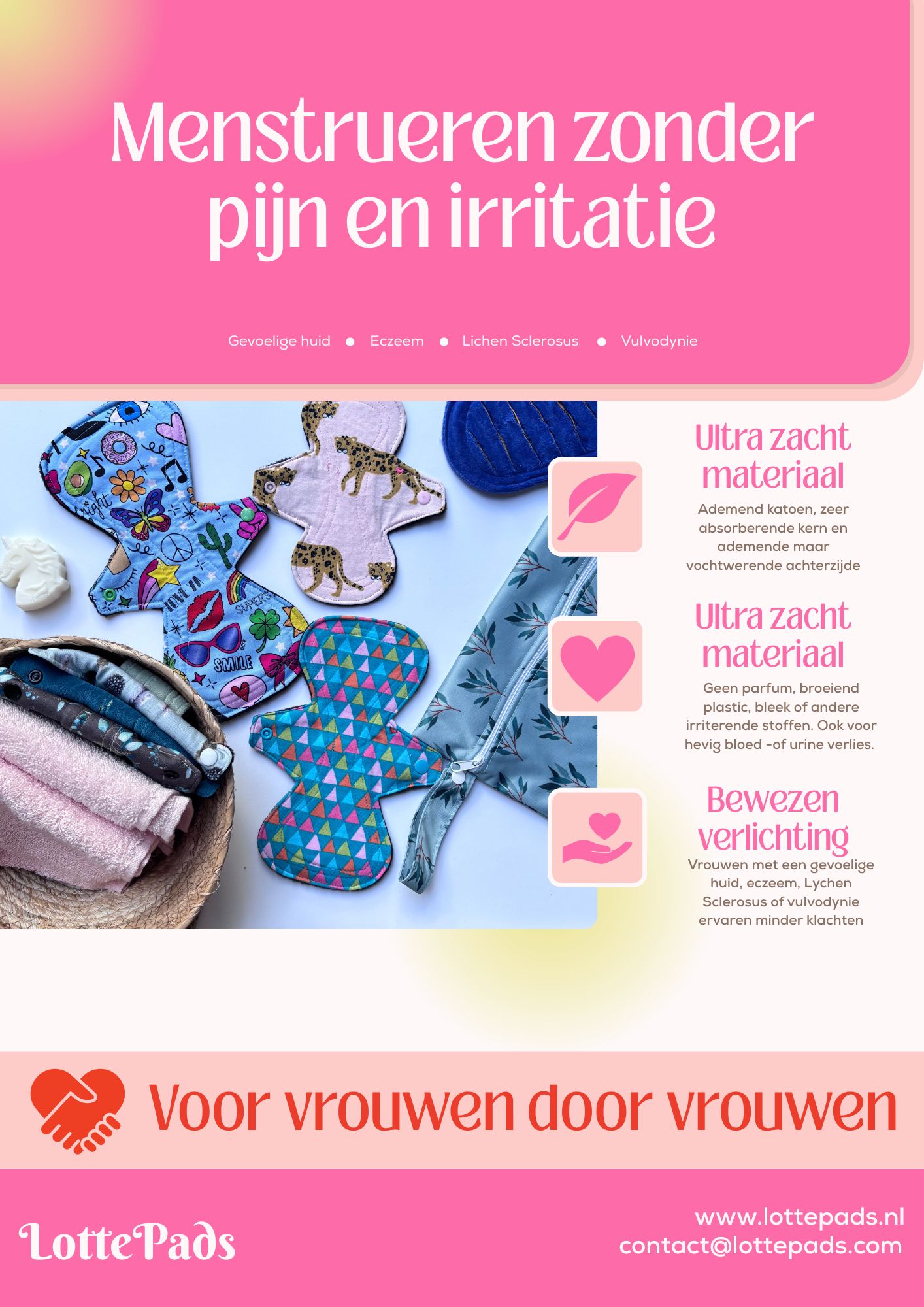
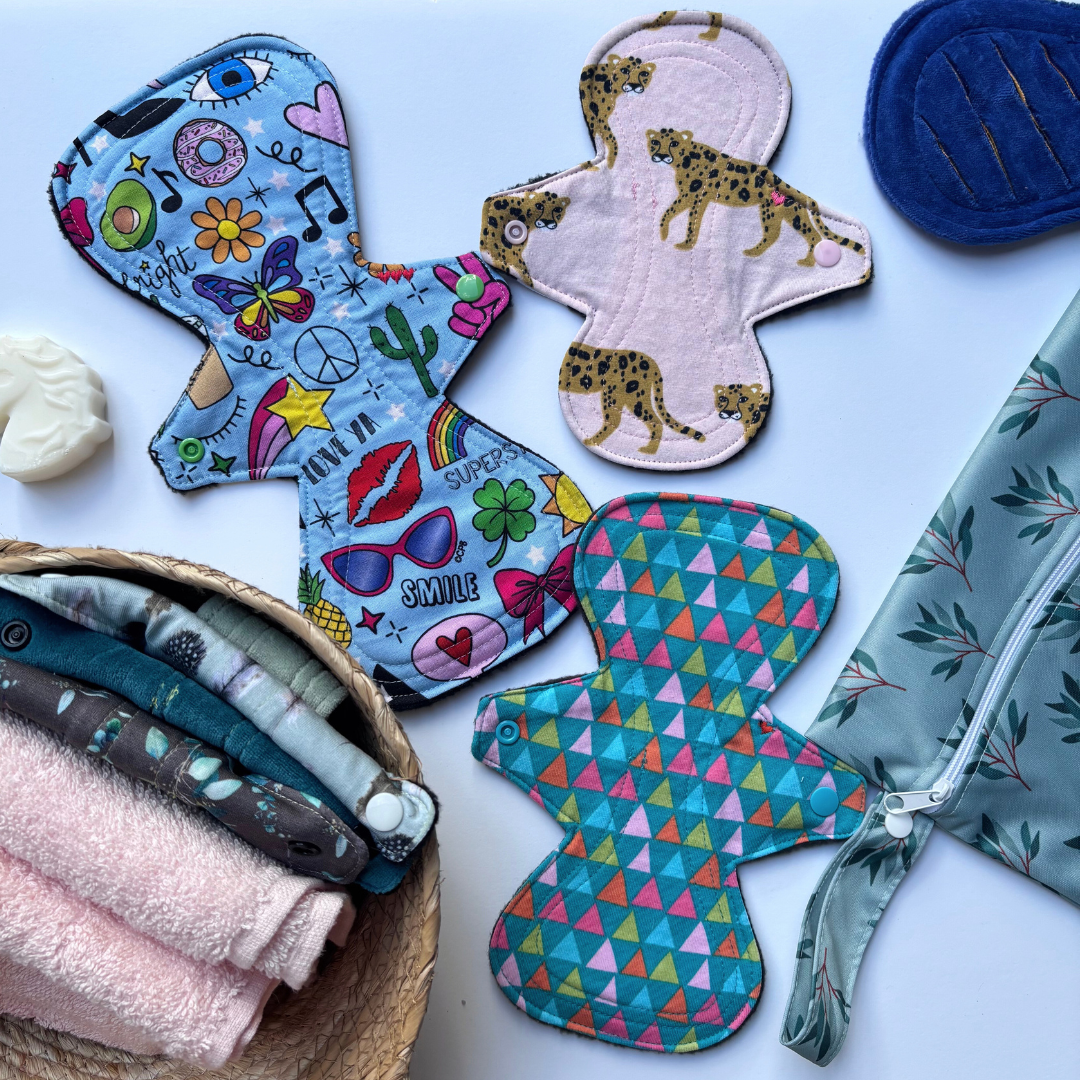
- Choose breathable materials: cotton underwear and washable sanitary pads allow your skin to breathe better than synthetic materials
- Change protection regularly: whether you choose washable sanitary pads or panty liners, make sure to change them regularly
- Hygiene for washable products: if you use reusable sanitary pads, ensure proper cleaning
- Probiotics: some studies suggest that probiotics with lactobacilli can help restore the vaginal flora, as described by the RIVM
Why washable sanitary pads can be a good choice
For women who are sensitive to BV or other vaginal irritations, switching to washable sanitary pads can offer benefits:
- No chemicals: disposable products can contain perfumes and bleaches that cause irritation
- Breathable material: washable pads made of natural fabrics allow the skin to breathe better
- Less moisture: good quality washable pads wick away moisture better
Want to know more about how to use washable sanitary pads or which size you need? Check out our comprehensive guides!
When to see a doctor?
Although BV often clears up on its own, it is advisable to consult a doctor if:
- you experience symptoms for the first time
- you are pregnant or planning to become pregnant
- symptoms do not improve after self-care
- you have recurrent infections
- you develop fever or abdominal pain
Conclusion
Bacterial vaginosis is a common condition that can be treated effectively. By paying attention to your vaginal health, avoiding irritating products, and choosing breathable, natural materials such as washable sanitary pads, you can reduce the risk of BV. Do you have questions about which product suits you? Check out our trial pack selection guide!