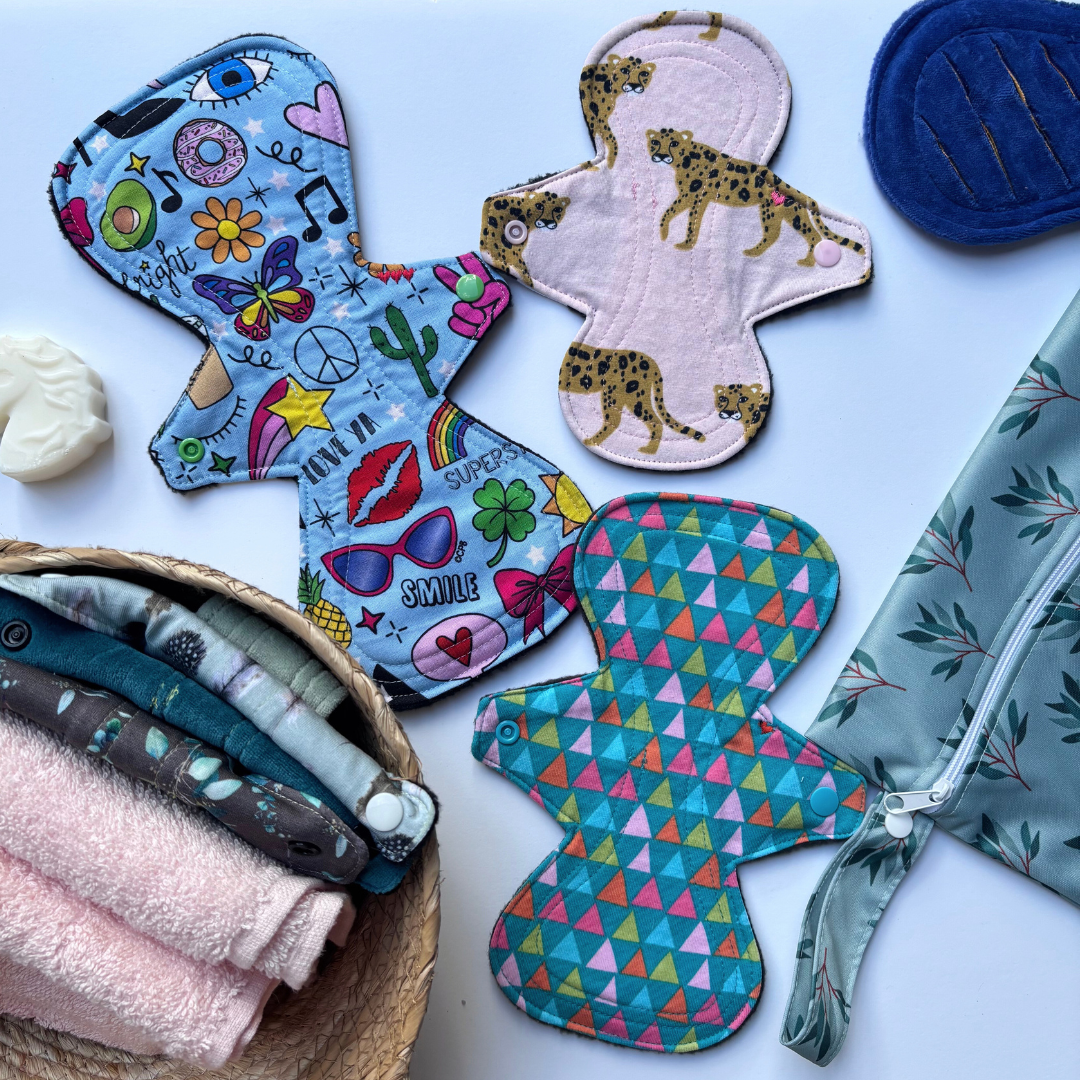
The use of sustainable sanitary pads has been gaining popularity in recent years due to their many advantages. Sustainable sanitary pads are a very broad term; in this blog post, we're referring to sanitary pads that you can wash and reuse. However, they're surrounded by some myths and misconceptions. In this comprehensive blog post, we'll delve deeper into the facts and myths surrounding sustainable sanitary pads, so you can make an informed choice for your menstrual needs.
Myth 1: Sustainable sanitary pads are not suitable for all menstrual periods.
Fact: Sustainable sanitary pads come in different absorbencies, from light to heavy.
The term "sustainable sanitary pads" is broad and can be confusing. In this blog post, we'll use the term "sustainable sanitary pads" to refer to reusable sanitary pads made of fabric.
In the past, sustainable sanitary pads were indeed less suitable for heavy periods. Their absorbency was limited and the materials were less efficient.
Nowadays, however, a wide variety of cloth sanitary pads is available, with different absorbencies, materials, and fits. There are options for:
- Light Periods: Cloth panty liners are perfect for light spotting or as a backup during ovulation.
- Average periods: Cloth pads with medium absorbency are ideal for most days of your period.
- Heavy periods: Highly absorbent washable sanitary pads are specially designed for heavy periods. They can hold as much or even more blood than disposable pads made of super absorbent materials.
Research shows:
- A study from Ghent University found that cloth sanitary pads were just as effective as disposable sanitary pads in absorbing blood.
- Study participants preferred washable sanitary pads because of their comfort, durability, and cost savings.
Conclusion:
Sustainable sanitary pads are a great option for women with all menstrual cycles. It's important to choose the right absorbency and material for your needs.
Extra tips:
- Try different brands and models of reusable sanitary pads to find the one that works best for you.
- Read reviews from other users online.
- Wash your washable sanitary pads according to the manufacturer's instructions.
By choosing reusable sanitary pads, you save money, reduce waste and make a sustainable choice .
Myth 2: Sustainable sanitary pads cause an unpleasant odor.
Fact: Unlike disposable sanitary pads, which often contain fragrances to mask odors, sustainable sanitary pads do not cause unpleasant odors. Using natural materials like cotton and/or bamboo fibers helps reduce odors because these materials are naturally more breathable and absorb moisture better. Odor during menstruation is a natural process and is not caused by the use of sustainable sanitary pads.
Myth 3: Sustainable sanitary pads are not suitable for sports.
Fact: Sustainable pads can be just as suitable for sports as disposable pads. Washable pads are designed to stay in place and prevent leaks, so you can focus on your performance without worrying about discomfort or leakage. Moreover, the breathability of washable pads offers greater comfort during exercise compared to disposable pads.
Myth 4: Durable sanitary pads are difficult to maintain.
Fact: Caring for sustainable sanitary pads is simple and easy. After use, rinse the pad to remove any stains and store it in a wet bag until you can wash it. You can choose to put it in the washing machine or wash it by hand. Special laundry bags are available to simplify the process. Sustainable sanitary pads can be treated with the same care as other laundry. With proper care, washable sanitary pads will last a long time and stay in optimal condition.
Myth 5: Sustainable sanitary pads are expensive
Sustainable sanitary pads: an investment with long-term benefits
Although purchasing reusable sanitary pads requires an initial investment, they can be more cost-effective than disposable pads in the long run.
The cost of disposable sanitary pads:
- Disposable sanitary pads are a recurring expense.
- The monthly or annual costs vary depending on the menstrual cycle and need.
- The average woman spends hundreds of euros per year on disposable sanitary pads.
The benefits of reusable sanitary pads:
- Washable sanitary pads are reusable.
- The initial investment is higher, but afterward you will save money.
- Washable sanitary pads can last for years.
- The average savings per year is €50 to €100.
Investing in washable sanitary pads:
- Choose high-quality washable sanitary pads. For example, from LottePads
- Find out how much you can save during your menstrual years.
- Sustainable sanitary pads are good for your wallet and the environment.
Tips to save on sustainable sanitary pads:
- Buy second-hand washable sanitary pads.
- Take advantage of discount promotions.
- Invest in a starter kit.
- Wash your washable sanitary pads properly to ensure they last a long time.
Conclusion:
Washable sanitary pads are a responsible choice that will save you money in the long run.
1. Sustainability and Environmental Friendliness:
Sustainable sanitary pads are a sustainable alternative to disposable pads. They are reusable and help reduce the amount of waste that would otherwise end up in landfills. It's estimated that a menstruating person can use up to 11,500 disposable sanitary pads in their lifetime, which has a significant environmental impact. By choosing sustainable sanitary pads, you contribute to environmental conservation and reduce your carbon footprint.
3. Comfort and Breathability:
Sustainable sanitary pads are typically made from soft, natural materials like cotton or bamboo fibers. These materials provide better breathability and reduce the risk of irritation and itching during your period. Unlike disposable pads, which often contain synthetic materials and chemicals, washable pads allow air to circulate, making them more comfortable and helping to reduce excess moisture and heat.
4. Adaptability and Absorbency:
Sustainable sanitary pads are available in various sizes, absorbency levels, and styles. This allows you to tailor the pad to your individual needs and preferences. Whether you have a light, medium, or heavy flow, there's a sustainable pad to meet your needs. Furthermore, you can choose different absorbency levels depending on your flow and the day of your period. This makes it easy to find the right comfort and protection for every phase of your cycle.
5. Suitable for sensitive skin:
Sustainable sanitary pads are ideal for people with sensitive skin or allergies. They contain no harmful chemicals or fragrances that can cause irritation, making them softer and kinder to your skin. Many disposable sanitary pads contain synthetic materials and potentially irritating chemicals, such as chlorine and perfumes, which contribute to skin irritation and allergic reactions. Cloth sanitary pads reduce the risk of skin problems and create a healthier menstrual experience.
Conclusion:
Sustainable sanitary pads offer many advantages, including durability, cost-effectiveness, comfort, adaptability, and suitability for people with sensitive skin. Debunking the myths and knowing the facts is essential for making an informed decision about which menstrual product is best for you. Consider whether you now know enough to switch to a sustainable alternative for your period.
 Here are some more facts about this sustainable alternative.