Using reusable sanitary pads is quickly gaining popularity, and rightly so! They're not only better for the environment, but also kinder to your skin. But how do you keep these sustainable products clean and fresh? In this guide, you'll discover the best detergent for reusable sanitary pads and debunk some common myths and myths about using salt, vinegar, and enzymes. Which ingredients are truly effective, and which are perhaps more myth than truth? Discover the answers to these questions and learn everything you need to know to properly care for your sanitary pads. Remember, proper care not only extends the life of your pads but also plays a vital role in your overall hygiene. Let's delve into the world of detergents and their impact on your reusable products!
What are washable sanitary pads and why choose this option?
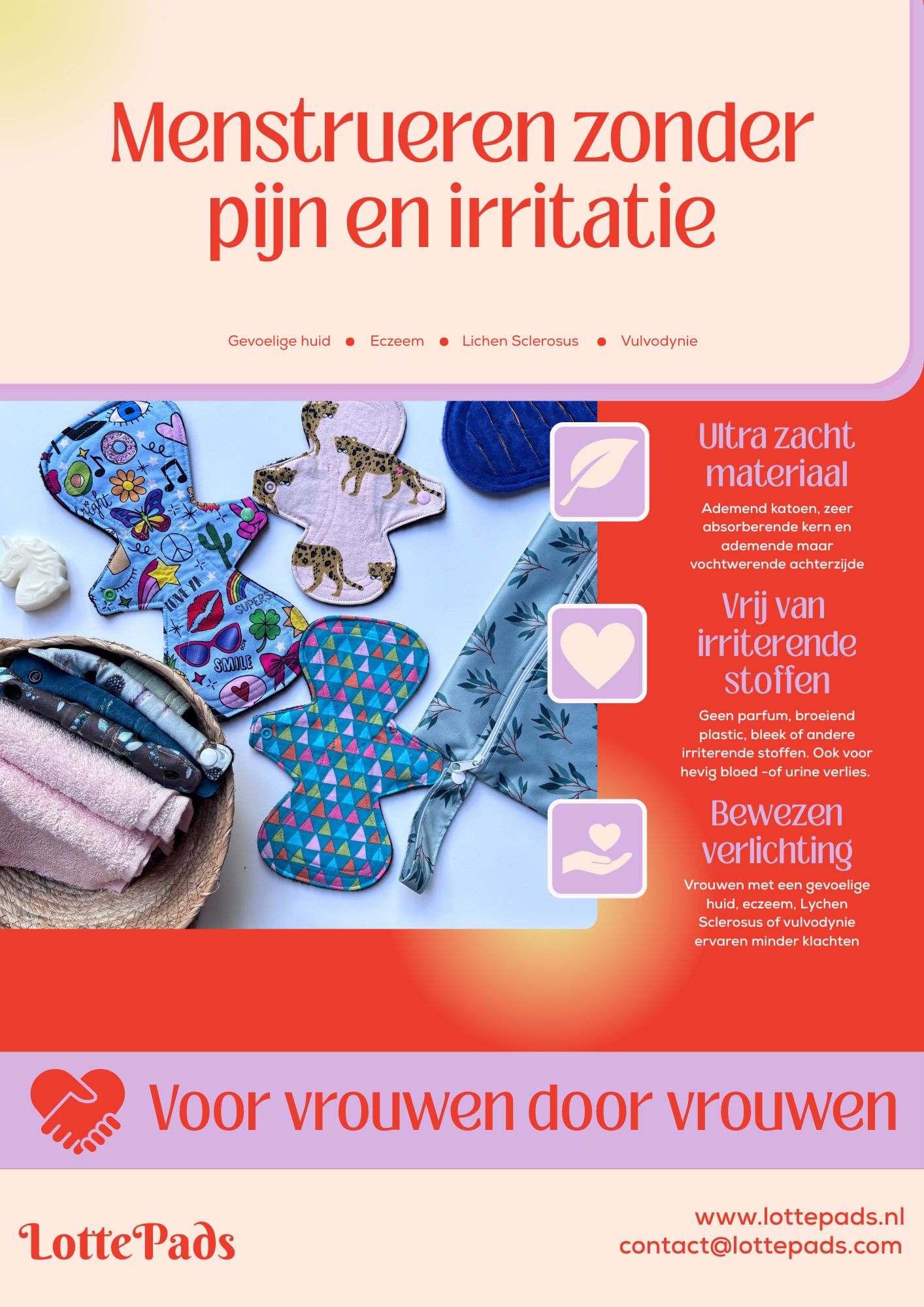
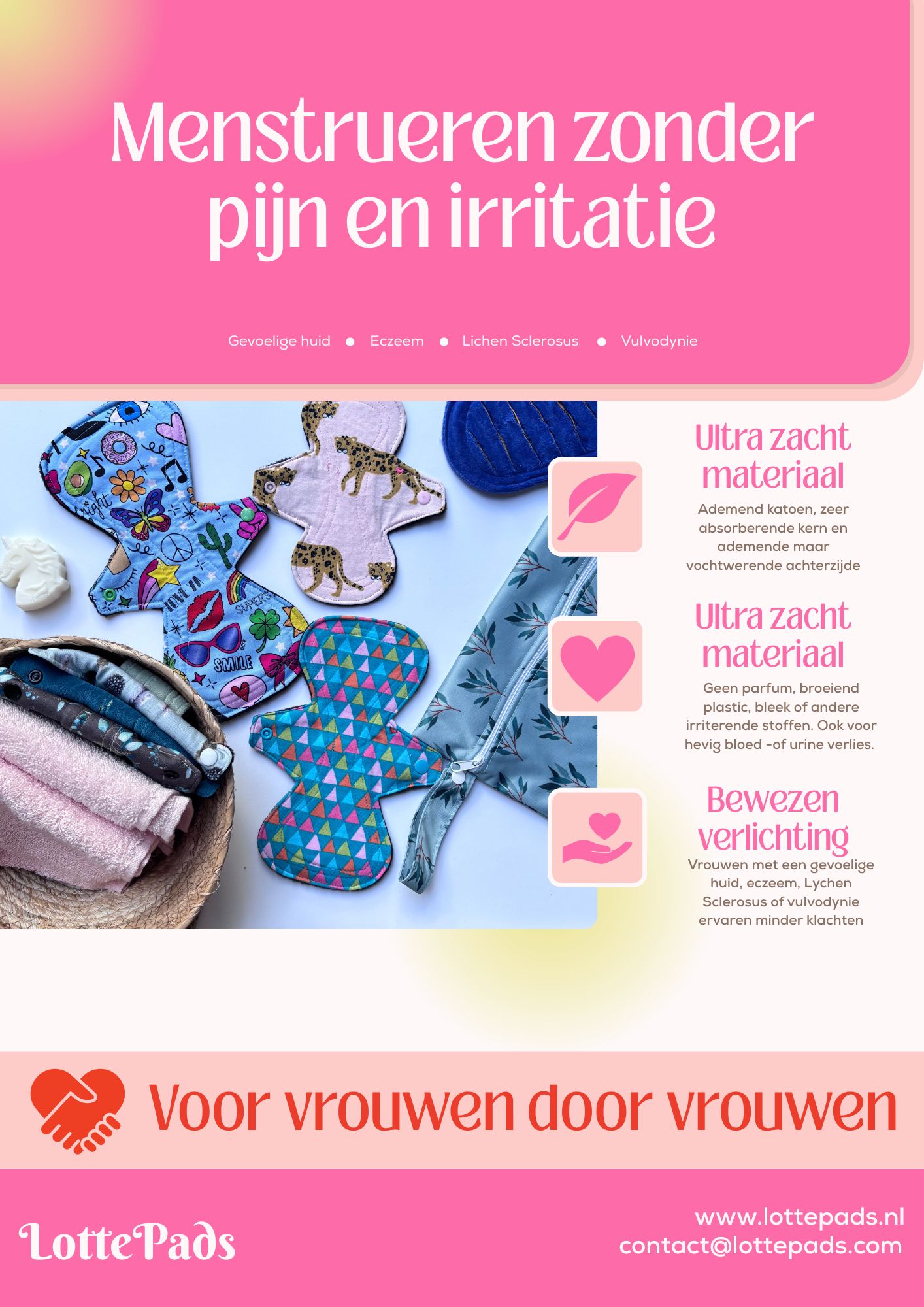
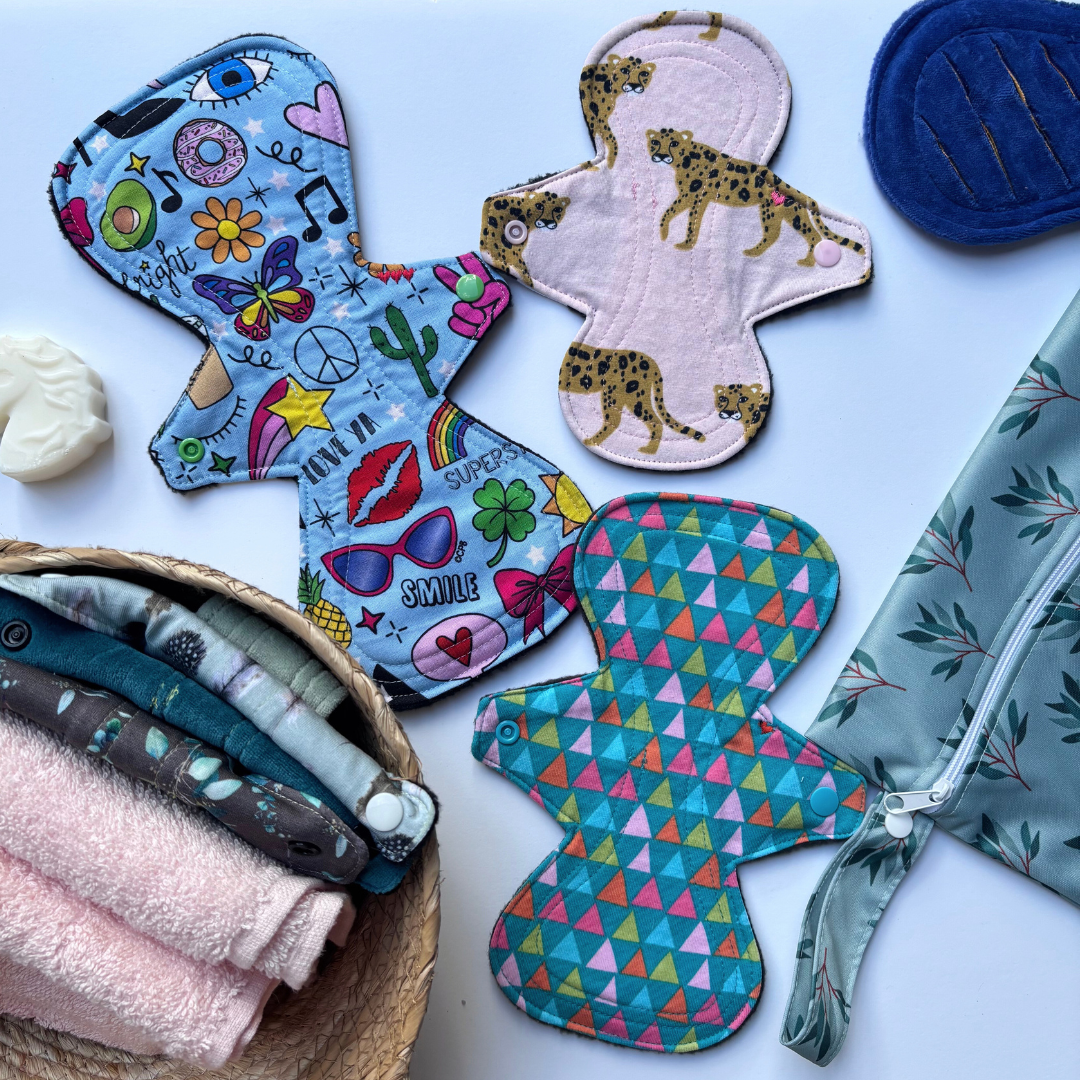
Reusable sanitary pads are a sustainable alternative to traditional disposable pads. Made from soft, breathable fabrics like cotton or bamboo, these reusable products are designed to absorb menstrual blood, just like their disposable counterparts. However, their difference lies in their reusability, meaning you can wash and reuse them, which is not only environmentally friendly but also cost-effective in the long run.
The choice for washable sanitary pads often stems from a combination of environmental concerns and personal health benefits. Traditional sanitary pads often contain synthetic materials and chemicals that can cause skin irritation or allergic reactions. Reusable sanitary pads are usually free of these substances, making them a healthier option for people with sensitive skin or allergies. Moreover, by choosing reusable options, you contribute to reducing the enormous amount of waste associated with menstrual products.
Switching to reusable sanitary pads can also provide a sense of control and satisfaction. Many users report a higher level of comfort and a reduced risk of leakage compared to disposable options. The idea of being less reliant on disposable products and thus contributing less to landfills creates a sense of empowerment and responsibility towards the environment. Moreover, investing in reusable sanitary pads can be cost-effective in the long run, as you don't have to buy new ones every month.
The benefits of using washable sanitary pads
One of the most compelling benefits of reusable sanitary pads is their positive impact on the environment. Traditional disposable pads contain plastic and other non-biodegradable materials that contribute to the growing mountain of waste. Billions of pads are thrown away each year, resulting in a massive amount of waste that takes decades to decompose. By choosing reusable products, you help reduce waste and contribute to a more sustainable planet.
Besides their environmental benefits, reusable sanitary pads also offer health benefits. Many commercial sanitary pads contain chemicals like bleach and fragrances that can cause skin irritation or allergic reactions. Reusable sanitary pads are typically made of natural materials that are gentler on the skin and less likely to cause irritation. This makes them an excellent choice for people with sensitive skin or those prone to allergies.
Financial savings are another significant advantage of reusable sanitary pads. While the initial investment can be higher than that of disposable pads, the long-term costs are significantly lower. A set of reusable sanitary pads can last for years with proper use and care, eliminating the need to buy new ones every month. This can lead to significant long-term savings, especially for people with regular menstrual periods.
How do you wash washable menstrual pads properly?
Washing reusable sanitary pads correctly is essential for keeping them clean, fresh, and hygienic. The first thing you should do is rinse them with cold water after use. This helps remove most of the blood and prevents stains from setting. It's important to use cold water because hot water can cause proteins in the blood to coagulate, making stains harder to remove.
After rinsing, you can soak the pad in a bucket of cold water. Some people add a little salt or vinegar to the water to help loosen stains and kill bacteria. However, it's important to use these ingredients sparingly, as they can damage the fabric over time. Don't soak the pad for longer than 24 hours to prevent it from becoming moldy or developing unpleasant odors.
Once you're ready to wash your pad, you can put it in the washing machine. Use a mild detergent without harsh chemicals or fragrances to avoid damaging the fabric and skin irritation. Wash on a cold or lukewarm setting, depending on the manufacturer's recommendations. Avoid using fabric softeners, as these can leave a film that reduces the pad's absorbency. After washing, you can air dry the pad or tumble dry it on low heat.
The role of detergents in cleaning washable menstrual pads
Detergents play a crucial role in cleaning reusable sanitary pads. The right detergent can make the difference between clean and fresh sanitary pads and products that retain stains or unpleasant odors. It's important to choose a detergent that effectively removes stains and bacteria without damaging the fabric or causing irritation.
A good detergent for washable sanitary pads should be effective at removing blood stains, which can be difficult to remove due to the proteins in blood. Enzymatic detergents can help with this by breaking down proteins. However, it's important to be aware that some fabrics don't react well to enzymes, so it's always a good idea to follow the manufacturer's recommendations.
In addition, it's important to choose a detergent free of harsh chemicals and fragrances. Many commercial detergents contain ingredients that can cause skin irritation, especially in sensitive areas. Using a mild, hypoallergenic detergent can help prevent this. Also, avoid using fabric softeners, as these can leave a residue on the fabric that reduces absorbency and can reduce the effectiveness of the pad.
Facts about salt and vinegar as cleaning agents
Salt and vinegar are often touted as natural cleaning agents for washable sanitary pads, but how effective are they really? Salt has natural antibacterial properties and can help loosen stains. It's often used as a pre-soak to help dissolve blood stains before the pad goes in the washing machine. While it can certainly help clean, you should be careful with the amount you use, as too much salt can damage the fabric.
Vinegar is another popular home remedy used for cleaning reusable sanitary pads. It has natural disinfectant properties and can help kill bacteria and neutralize odors. Vinegar can also help remove soap residue from the fabric, which can improve absorbency. However, as with salt, it's important to use vinegar sparingly, as too much can weaken the fabric and shorten the life of your pad.
It's important to realize that while salt and vinegar can be helpful, they're not a substitute for a good laundry detergent. They can be used as a supplement to your cleaning routine, but they're usually not effective enough on their own. For best results, combine these natural remedies with a mild, hypoallergenic detergent to ensure your pads are thoroughly clean and hygienic.
The truth about enzymes in detergents
Enzymes in detergents are a hotly debated topic when it comes to cleaning washable menstrual pads. Enzymatic detergents contain protein-splitting enzymes that effectively break down organic stains like blood, sweat, and other bodily fluids. This makes them particularly useful for cleaning menstrual products, which often have difficult-to-remove stains.
However, using enzymatic detergents can also have drawbacks. Some fabrics, such as wool and silk, can react poorly to enzymes and become damaged. While most washable sanitary pads are made of cotton or bamboo, which are enzyme-resistant, it's always important to follow the manufacturer's recommendations. Furthermore, some people may be sensitive to enzymes in detergents, which can lead to skin irritation or allergic reactions.
If you decide to use an enzymatic detergent, make sure you choose a product specifically designed for sensitive skin and hypoallergenic. This can help prevent skin irritation and ensure your pads are thoroughly clean. It's also a good idea to rinse your pads thoroughly after washing to ensure there's no soap residue left behind that could cause irritation.
What ingredients to avoid when choosing a laundry detergent?
When choosing a detergent for washable menstrual pads, it's important to pay attention to the ingredients list and avoid certain ingredients that can be harmful to the fabric or your skin. One of the most important ingredients to avoid is fragrance. While fragrances can make your laundry smell nice, they can also cause skin irritation, especially in sensitive areas like the pubic area. Instead, choose unscented or hypoallergenic detergents.
Bleach is another ingredient to avoid. While bleach can be effective at removing stains, it can also weaken the fabric and shorten the life of your pads. Furthermore, bleach can cause skin irritation and is harmful to the environment. It's best to choose a mild detergent that effectively removes stains without using harsh chemicals.
Fabric softeners should also be avoided when washing reusable sanitary pads. Fabric softeners can leave a residue on the fabric that reduces absorbency, making the pad less effective at absorbing menstrual blood. Furthermore, fabric softeners may contain ingredients that can cause skin irritation. Instead of fabric softener, you can add a little vinegar to the rinse cycle to soften the fabric without reducing absorbency.
Comparison of popular detergents for washable menstrual pads
There are many different detergents on the market, each with their own advantages and disadvantages. A popular choice among users of reusable menstrual pads is Ecover Delicate. This detergent is specially formulated for delicate fabrics and contains no harsh chemicals or fragrances. It's gentle on the skin and effective at removing stains, making it an excellent choice for washing reusable menstrual products.
Another popular detergent is Sonett Liquid Laundry Detergent. This product is biodegradable and contains no synthetic fragrances, dyes, or preservatives. It's hypoallergenic and safe for people with sensitive skin. Sonett Liquid Laundry Detergent is also effective at removing stains and keeps your sanitary towels fresh and clean without damaging the fabric.
Biotex Stain Remover is an enzymatic detergent specifically designed for removing organic stains such as blood. It is effective at breaking down proteins and removing stubborn stains, but may be less suitable for people with sensitive skin or for certain fabrics. It is important to follow the manufacturer's recommendations and rinse the sanitary napkin thoroughly after using an enzymatic detergent to prevent irritation.
Common myths about washing sanitary pads
There are many misconceptions and myths about washing reusable sanitary pads, which can lead to incorrect washing methods and damage to the products. A common myth is that you always need to wash reusable sanitary pads in boiling water to get them properly clean. While hot water can be effective at killing bacteria, it can also damage the fabric and set stains. It's better to use cold or lukewarm water and a good detergent to thoroughly clean your sanitary pads.
Another myth is that you can't machine wash reusable pads. This simply isn't true. Most reusable pads are safe to machine wash, as long as you use a mild detergent and follow the manufacturer's recommendations. Hand washing is an option, but it's not necessary and can be time-consuming. Simply use the correct settings and products to ensure your pads stay clean and fresh.
Some people also believe that fabric softeners are necessary to keep pads soft. However, as mentioned earlier, fabric softeners can leave a residue that reduces absorbency and impacts the pad's effectiveness. Instead of fabric softeners, you can add a little vinegar to the rinse cycle to keep the fabric soft without reducing absorbency. It's important to know which products and methods are truly effective and which are based on misconceptions.
Conclusion: The best detergent for your washable sanitary pads
Choosing the best detergent for washable menstrual pads can be challenging, but with the right information, you can make an informed decision. It's important to choose a mild, hypoallergenic detergent that effectively removes stains without damaging the fabric or causing skin irritation. Avoid harsh chemicals, fragrances, bleach, and fabric softeners to extend the life of your pads and protect your skin.
Salt and vinegar can be useful additions to your cleaning routine, but they're no substitute for a good detergent. Enzymatic detergents can be effective in removing stubborn stains, but it's important to use them with caution and follow the manufacturer's recommendations. By using the right products and methods, you can ensure your reusable sanitary pads stay clean, fresh, and hygienic.
Using reusable sanitary pads offers many advantages, from being environmentally friendly and cost-saving to health benefits. With proper care and the use of effective detergents, you can get the most out of these sustainable products and contribute to a healthier planet and a healthier you. Investing in the right products and methods for washing your sanitary pads will not only extend their lifespan but also improve your overall hygiene.