Blood stains on washable sanitary pads can be a challenge, especially if you don't know how to remove them effectively. Don't panic! In this article, we share handy and effective tips to combat these stubborn stains without damaging your pads. From using natural ingredients to clever washing methods, we'll show you how to make your sanitary pads feel like new again. No more hassle with unwanted stains; with our tips, you'll not only maintain the quality of your washable products but also your peace of mind. Ready to take on the stain-fighting challenge? Let's get started!
Why is it important to remove blood stains?
Removing blood stains from your washable sanitary pads is essential for several reasons. First, if not treated properly, blood stains can leave permanent marks that make the pad unattractive. This can discourage you from continuing to use reusable products, negatively impacting your environmental footprint. Furthermore, residual stains can cause an unpleasant odor, making the pad unpleasant to use.
In addition, bloodstains that aren't removed properly can lead to bacterial growth. This is especially problematic because the sanitary napkin comes into direct contact with a sensitive part of the body. Inadequately cleaned stains can increase the risk of infection, which can lead to health problems such as vaginal infections or skin irritation. By thoroughly removing bloodstains, you ensure that your sanitary napkin remains hygienic and safe for reuse.
Finally, maintaining the absorbency of your sanitary pads is crucial. Untreated blood stains can damage the pad's fibers, reducing its absorbency. This means your pad will be less effective at absorbing menstrual blood, potentially leading to leaks and discomfort. By investing time and effort in properly caring for your washable sanitary pads, you can significantly extend their lifespan and effectiveness.
The best time to treat blood stains
The timing of bloodstain treatment is crucial to the success of the cleaning process. It's best to address bloodstains as soon as possible. Fresh blood is much easier to remove than dried blood because it hasn't yet fully penetrated the fibers of the sanitary napkin. Acting immediately prevents the stains from setting deeper into the fabric, making them harder to remove later.
If you can't treat the stains right away, it's a good idea to soak the pad in cold water. Cold water helps loosen the blood from the fabric without setting it, which can happen with hot water. Let the pad soak for at least 30 minutes to an hour before cleaning. This makes it much easier to completely remove the stain later.
It's also important to know that using hot water can set blood stains, making them permanent. Hot water causes the protein in the blood to coagulate, making the stains harder to remove. Therefore, it's essential to always use cold water for the initial treatment of blood stains. By following these simple timing tips, you can significantly improve the effectiveness of your cleaning routine and keep your sanitary pads in top condition.
Preparation: Materials and resources needed
Before you begin removing blood stains, it's important to have all the necessary materials and supplies on hand. This ensures you can carry out the process without interruption and increases the chance of a successful result. Some essential items you'll need include cold water, a soft brush, an enzymatic stain remover, and a mild detergent. Additionally, some natural ingredients like baking soda, hydrogen peroxide, and white vinegar can be helpful.
Cold water is the foundation for treating blood stains and should always be used in the first step of the cleaning process. A soft brush, such as a toothbrush, can help gently lift the stains from the fabric without damaging it. Enzymatic stain removers are specifically designed to dissolve protein stains like blood and are a valuable addition to your cleaning arsenal. Be sure to choose a product that is safe for the fabric of your sanitary napkins.
In addition to the materials mentioned above, natural ingredients like baking soda, hydrogen peroxide, and white vinegar can be effective in removing blood stains. Baking soda can be used as an abrasive to loosen stubborn stains, while hydrogen peroxide acts as a bleaching agent to reduce discoloration. White vinegar has disinfectant properties and can help neutralize odors. By gathering these materials beforehand, you'll be well-prepared to tackle any blood stain effectively.
Step-by-step instructions for removing blood stains
Removing blood stains from washable sanitary pads requires a systematic approach to ensure complete removal without damaging the fabric. Start by rinsing the stained pad in cold water. This helps loosen the blood from the fibers. Soak the pad in cold water for at least 30 minutes to prevent the stain from setting further into the fabric.
After soaking, apply an enzymatic stain remover to the stain. Follow the product instructions for the correct application time. Then use a soft brush to gently work the stain out of the fabric. Brush in circular motions to loosen the stain without damaging the fabric. Rinse the pad thoroughly again with cold water to remove the stain remover and any loosened blood.
For stubborn stains, you can make a paste of baking soda and water. Apply the paste to the stain and let it sit for 15-20 minutes. Use a soft brush again to work the paste into the stain and then rinse thoroughly with cold water. If the stain is still visible, you can apply a small amount of hydrogen peroxide directly to the stain. Let it sit for a few minutes and then rinse thoroughly. Repeat these steps if necessary until the stain is completely gone, then wash the pad as usual with a mild detergent.
Natural remedies for blood stains
Natural remedies can be an effective and environmentally friendly way to remove blood stains from washable sanitary pads. A common method is using lemon juice and salt. Lemon juice has natural bleaching and disinfecting properties, while salt helps loosen the stain. Mix equal parts lemon juice and salt into a paste and apply it to the stain. Let the mixture sit for 30 minutes, then rinse thoroughly with cold water.
Another effective natural remedy is baking soda. Baking soda is a mild abrasive that can help loosen stubborn stains. Mix baking soda with water to form a paste and apply it to the stain. Let the paste sit for 15-20 minutes, then use a soft brush to gently work the stain out of the fabric. Rinse thoroughly with cold water to remove all baking soda residue.
White vinegar is also a powerful natural stain remover. Vinegar has disinfecting and odor-neutralizing properties, making it ideal for treating blood stains. Mix one part white vinegar with two parts water and apply this mixture to the stain. Let it sit for 30 minutes, then rinse thoroughly with cold water. By using these natural remedies, you can effectively remove blood stains without using harmful chemicals, protecting your sanitary napkins and the environment.
Common mistakes when removing blood stains
When removing blood stains from washable sanitary pads, mistakes are often made that can make the process less effective or even damage the fabric. A common mistake is using hot water for the initial treatment of the stain. Hot water causes the blood protein to coagulate, making the stain harder to remove. Instead, always use cold water to loosen the stain before further cleaning.
Another mistake is scrubbing the stain too hard. While it may be tempting to rub hard to remove the stain, this can damage the fibers of the pad and reduce its absorbency. Always use a soft brush and scrub in circular motions to gently loosen the stain without damaging the fabric. Patience and a gentle approach are essential for maintaining the quality of your pads.
Skipping the soaking time is also a common mistake. It's important to give the pad enough time to soak in cold water or a stain remover to loosen the stains. Skipping this step makes it harder to completely remove the stains. Take the time to thoroughly soak the pad before continuing with cleaning. By avoiding these common mistakes, you can improve the effectiveness of your cleaning routine and keep your pads in top condition.
How to care for your washable menstrual pads after cleaning
Proper care of your reusable sanitary pads after cleaning is essential to maintain their lifespan and effectiveness. After removing blood stains, it's important to wash them thoroughly with a mild detergent. Avoid using harsh chemicals or fabric softeners, as these can reduce the pad's absorbency and damage the fabric. Instead, choose a detergent specifically designed for delicate fabrics or reusable products.
After washing, drying the pads is just as important. It's best to let them air dry instead of putting them in the dryer. The heat from the dryer can damage the fibers and shorten their lifespan. Hang the pads in a well-ventilated area out of the sun to dry naturally. Direct sunlight can fade the colors, so a shady spot is preferable.
Store your reusable sanitary pads in a dry, clean place between uses and cleaning. Avoid damp or warm environments that can promote bacterial growth. Many people choose to store their pads in a breathable bag or container to keep them clean and fresh. By following these careful care practices, you can ensure your pads remain hygienic, effective, and in good condition for long-term use.
Tips for preventing blood stains on sanitary pads
Prevention is better than cure, and that also applies to blood stains on washable sanitary pads. One of the best ways to prevent stains is to change your sanitary pads regularly. Changing your pads every few hours prevents them from becoming too saturated, which reduces the risk of staining. This is especially important during the heavier days of your period.
Another preventative measure is pre-treating your sanitary pad with a stain remover before use. Special sprays and solutions are available designed to prevent stains and make cleaning easier. By applying a thin layer of these products to your pad, you create a barrier that prevents blood from seeping deep into the fibers.
Finally, using a panty liner or a thin cloth as an extra layer can help prevent bloodstains. This extra layer absorbs some of the blood and prevents the pad from becoming completely soaked. This is especially helpful if you know your period is heavy and you need extra protection. By following these preventative tips, you can significantly reduce the risk of bloodstains and keep your pads in top condition.
Choosing the right washable sanitary pads
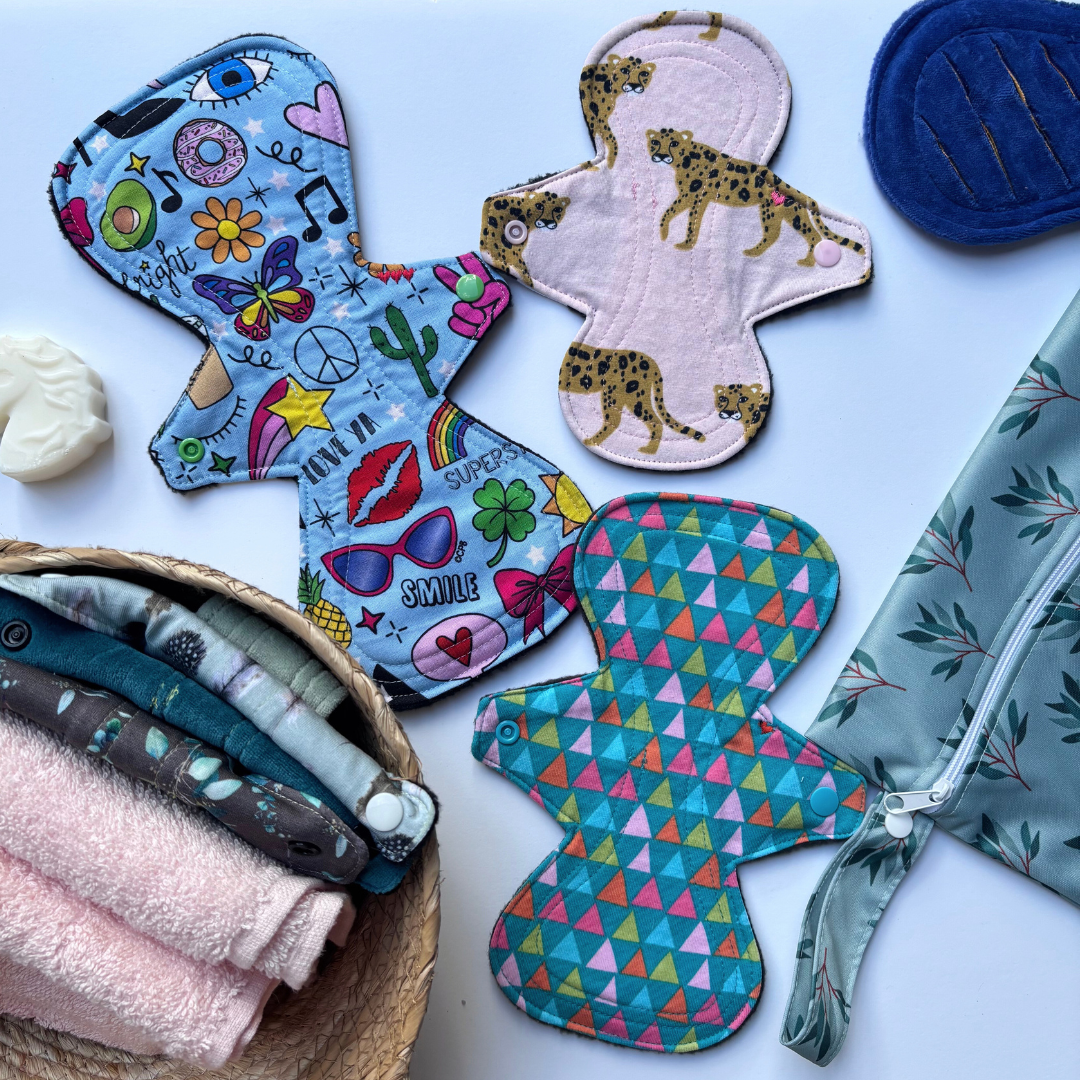
Choosing the right washable menstrual pad can make a big difference in the product's effectiveness and ease of care. There are several factors to consider when choosing washable pads, such as absorbency, material, and design. Choose a pad with an absorbency that matches your flow's heaviness. Various options are available, from light to heavy, so you always have the right protection.
The material of the sanitary napkin is also important. Natural fibers like cotton and bamboo are breathable and gentle on the skin, which can reduce irritation and allergies. These materials are also sustainable and environmentally friendly, making them a good choice for those who want to reduce their carbon footprint. Avoid sanitary napkins with synthetic materials, which can irritate the skin and are less breathable.
Also consider the design of the pad. Some pads have wings with snaps or Velcro to keep them in place, while others have a simple rectangular shape. Choose a design that's comfortable and practical for your lifestyle. By carefully choosing the right washable pad, you can not only ensure better protection and comfort, but also easier care and cleaning.
Conclusion: Handle washable sanitary pads with care
Caring for your reusable sanitary pads is essential for maintaining their longevity and effectiveness. It all starts with treating blood stains immediately and using the right cleaning methods and materials. By using natural remedies and a systematic approach, you can effectively remove stubborn stains without damaging the fabric. Avoiding common mistakes and following proper care practices will keep your sanitary pads hygienic and in good condition.
Preventing stains is just as important as removing them. Changing your pads regularly, using preventative products, and adding extra layers of protection can all help prevent blood stains. Choosing the right pad for your needs and preferences also contributes to a better menstrual experience and easier maintenance.
By following these tips and guidelines, you can enjoy the benefits of reusable sanitary pads without worrying about stubborn blood stains. This way, you'll not only contribute to a sustainable lifestyle but also ensure your sanitary pads are always ready for use, clean, and effective. With proper care and attention, your reusable sanitary pads can last for years, benefiting both you and the environment.